
How Car Batteries Work and Why They Wear Out
A standard 12-volt lead-acid battery powers your car's starter motor, electronics, and ignition system. Each time you start the engine, the battery discharges, and the alternator recharges it during the drive. Over time, the lead plates inside the battery degrade through repeated charge and discharge cycles, reducing the battery's capacity to hold a full charge.
Most conventional batteries have a realistic service life of 3 to 5 years, though actual lifespan varies with driving habits, climate, and maintenance. Understanding what accelerates that wear is the first step toward getting the most from yours. For a broader look at how battery health fits into overall ownership costs, see where car owners quietly lose money.
The Most Common Battery Drains
Several factors draw a battery down faster than normal driving can replenish it:
- Short trips: Drives under 20 minutes often don't give the alternator enough time to fully recharge the battery after startup. Frequent short-trip driving is one of the leading causes of premature battery failure.
- Parasitic draw: Any device that stays on when the ignition is off - phone chargers left plugged in, a dome light left on, or a faulty alarm system - slowly drains the battery overnight or over a weekend.
- Extreme temperatures: Heat accelerates the chemical breakdown of battery components, while cold thickens engine oil and increases the power needed to start. Both extremes stress the battery significantly. See seasonal maintenance guidance for temperature-specific preparation steps.
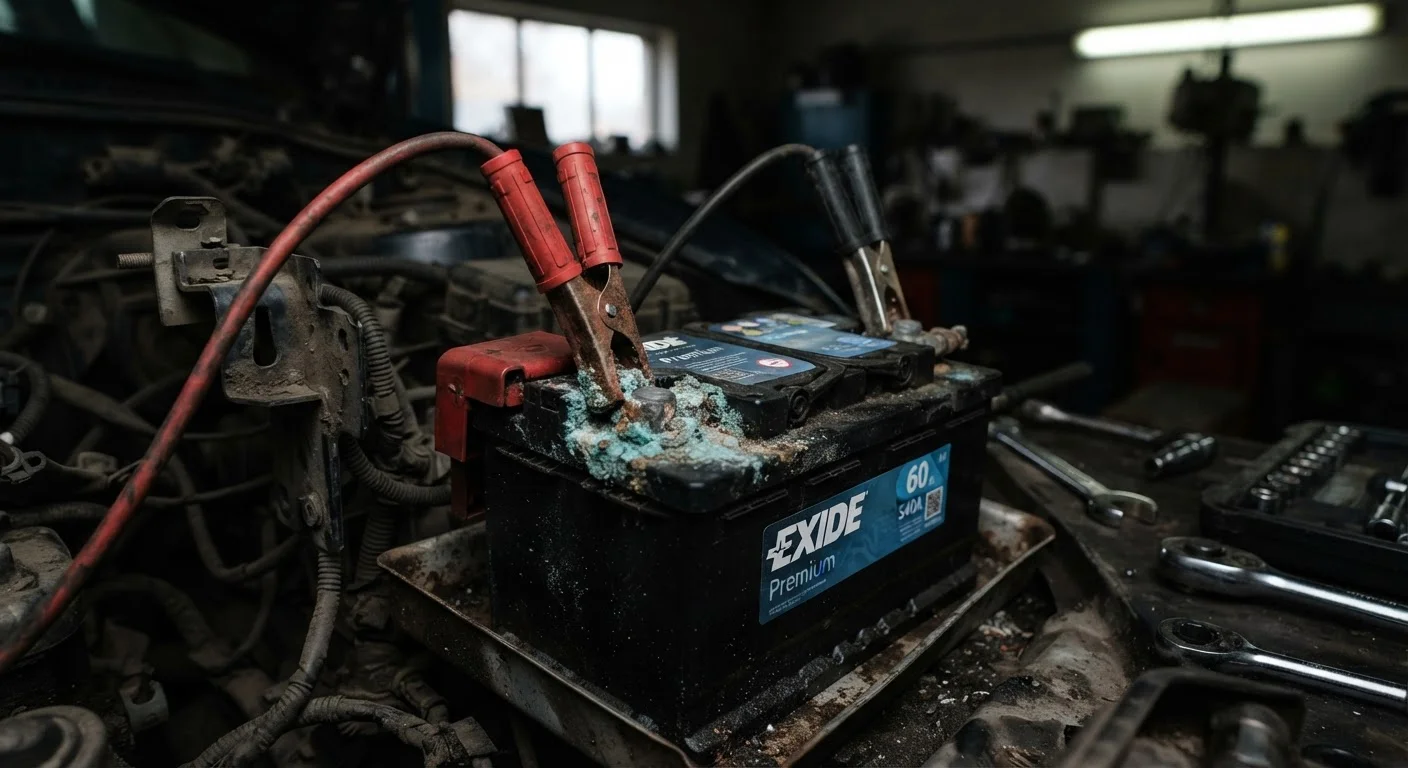
- Old or corroded terminals: Corrosion buildup on the positive and negative posts increases electrical resistance, making the battery work harder to deliver current.
- A failing alternator: If the alternator isn't charging properly, the battery compensates - and depletes rapidly.
3-5 years
Typical car battery lifespan
AAA research indicates most conventional 12-volt lead-acid batteries require replacement within this window under normal driving conditions.
1 in 5
Vehicles with weak or failing batteries
AAA's vehicle research data has found roughly one in five cars tested during roadside assistance calls had a battery operating outside acceptable parameters.
Early Warning Signs of a Failing Battery
Batteries rarely fail without warning. Watch for these indicators:
- Slow engine crank: A sluggish, laboring start is one of the clearest signs the battery lacks sufficient charge or capacity.
- Dimming lights: Headlights or interior lights that visibly dim when you start the car suggest the battery is struggling under load.
- Dashboard warning light: A battery or check-engine light may illuminate when the charging system is underperforming.
- Electrical oddities: Intermittent issues with power windows, infotainment systems, or accessories can point to an unstable power supply.
- Swollen battery case: Heat can cause the battery housing to bulge - a sign of internal damage that warrants immediate professional inspection.
If you notice any of these signs, have the battery load-tested at a shop. A load test measures actual capacity under real-world demand - far more useful than a simple voltage check.
When to Call a Professional
If your battery is more than three years old and showing any warning signs, have a qualified mechanic or technician inspect both the battery and the charging system - not just one or the other. A battery that fails load tests repeatedly even after charging may also indicate an alternator problem. Replacing a battery without diagnosing a faulty alternator will result in the new battery failing quickly as well.
Best Practices to Extend Battery Life
Have your battery load-tested every year after it turns two years old.
A load test reveals how much capacity the battery has lost under actual working conditions, not just resting voltage. Catching decline early prevents unexpected failure - especially before winter, when batteries face maximum demand.
Take longer drives regularly to allow the alternator to fully recharge the battery.
Short trips - particularly those under 15 to 20 minutes - consume more charge than the alternator can restore. Over time, the battery never reaches a full state of charge and degrades faster.
Inspect and clean battery terminals at least once a year.
Corrosion on the terminal posts increases resistance and reduces the efficiency of the charging and starting systems. Left unchecked, it can cause hard starts and false battery failure diagnoses.
Eliminate parasitic draws by checking that all lights and accessories are off before leaving the vehicle.
Even a small continuous draw - as little as 50 milliamps - can fully discharge a battery within a few days. Interior lights, phone chargers, and poorly installed accessories are common culprits.
Secure the battery firmly in its tray to prevent vibration damage.
Excessive vibration can loosen internal battery components and cause premature failure. This is especially relevant for drivers who frequently travel on rough roads.
Folding good battery habits into your broader vehicle routine pays dividends. A structured maintenance schedule is an effective way to make sure battery checks don't get overlooked alongside oil changes and tire rotations.