
Depreciation: The Number That Changes Everything
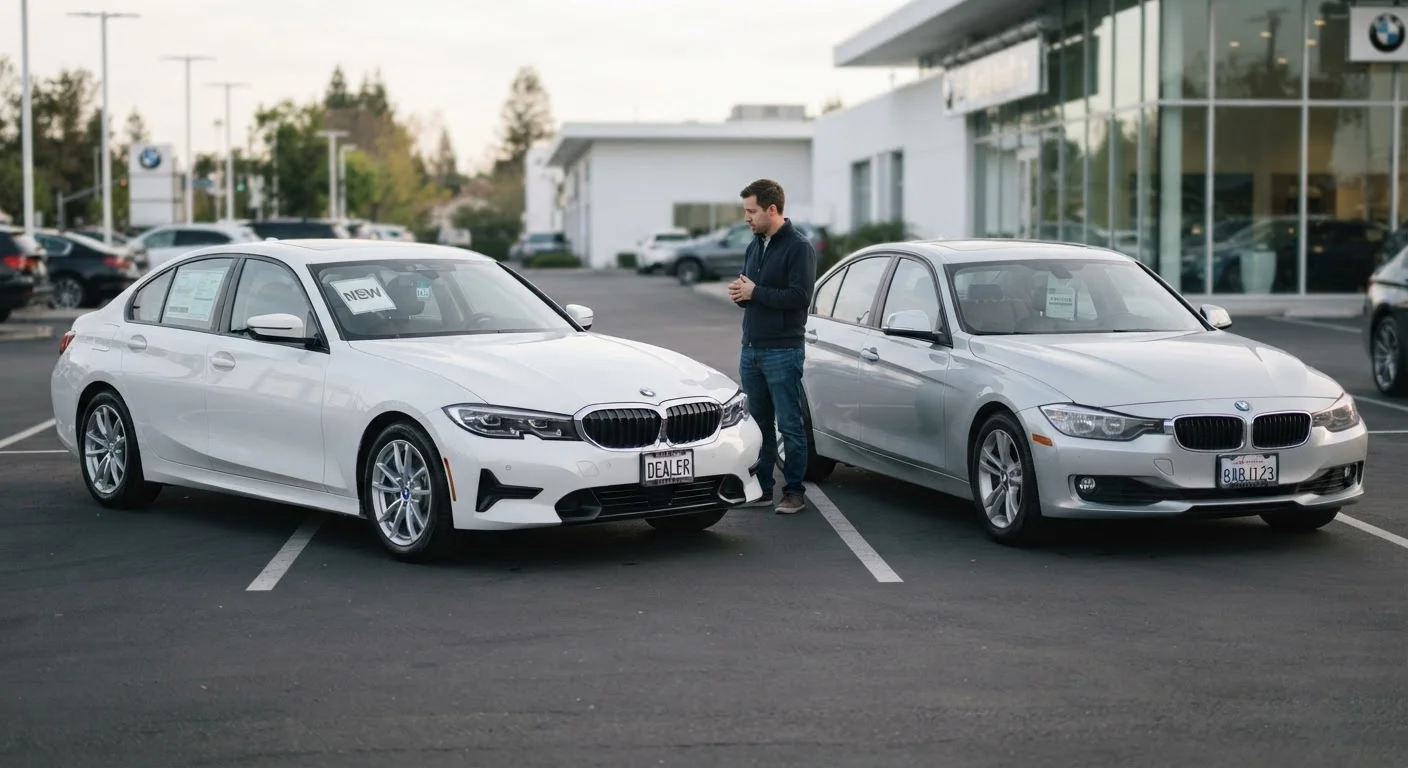
Depreciation is the single most important financial factor separating new and used vehicles. A new car typically loses a meaningful portion of its value within the first one to three years of ownership - estimates vary by make, model, and market conditions, but the steepest decline commonly occurs early in a vehicle's life. When you buy used, a previous owner has already absorbed that loss, and you're purchasing at a value closer to the vehicle's longer-term floor.
This dynamic directly affects what you get for your money. A two- or three-year-old vehicle from the same manufacturer and model line can represent substantially more capability per dollar than its brand-new equivalent. The gap narrows on models that hold their value exceptionally well, which is why researching historical depreciation patterns for specific models is time well spent before committing.
For a broader view of what ownership actually costs beyond the sticker price, see our breakdown of the true cost of owning a car.
| Criterion | New Car | Used Car |
|---|---|---|
| Depreciation exposure | High in first 1-3 years | Already absorbed by prior owner |
| Purchase price | Higher | Lower for equivalent model |
| Manufacturer warranty | Full coverage included | Partial, expired, or none |
| Typical financing APR | Generally lower | Generally higher |
| Ownership history | None - clean slate | Unknown without records |
| Latest safety tech | Current model-year features | Varies by model year |
| Customization options | Factory order possible | Limited to available inventory |
Warranties, Financing, and the Fine Print
New cars come with manufacturer warranties - typically covering the powertrain and bumper-to-bumper defects for defined mileage and time periods. That coverage can translate to real savings if mechanical issues arise early. Used cars may carry remaining original warranty if they're recent enough, but older vehicles often come with no manufacturer protection at all unless a dealer-backed or third-party warranty is negotiated.
Financing rates complicate the picture in the other direction. Lenders and manufacturers frequently offer lower annual percentage rates (APRs) on new vehicles than on used ones, which can partially offset the higher purchase price. However, a lower rate on a larger balance doesn't automatically mean a better deal - calculating total interest paid over the loan term gives a clearer comparison than monthly payment alone.
~20%
Typical first-year depreciation for new vehicles
Industry estimates commonly place new-car value loss in the range of 15-25% within the first year, varying by brand and model segment.
1-2%+
Typical APR difference: used vs. new loans
Federal Reserve consumer credit data generally shows used-vehicle loan rates running higher than new-vehicle rates across comparable credit profiles.
$100-$200
Approximate cost of a pre-purchase inspection
An independent mechanic's inspection typically costs well under $200 - often the most cost-effective due-diligence step for any used-vehicle purchase.
If you're still weighing ownership against other paths, our article on owning vs. leasing a car covers the financial trade-offs of each approach in detail.
Reliability, History, and Managing the Unknown
A new car's mechanical history is a blank slate - and that's entirely in your favor. With a used vehicle, you're inheriting whatever happened before: how it was maintained, whether it was in an accident, and how it was driven. Vehicle history reports (using a vehicle identification number) and a pre-purchase inspection by an independent, qualified mechanic are the two most important tools for reducing that uncertainty.
Knowing what to inspect before a test drive can help you catch red flags before you're emotionally committed to a vehicle. Skipping a professional inspection to save a few hundred dollars is a risk that rarely pays off.
Modern vehicles across most segments have improved in long-term reliability, which works in favor of used buyers - a well-maintained three-year-old vehicle is often a lower mechanical risk than older used inventory. The key word is maintained: service records, when available, are worth requesting and reviewing.
The Certified Pre-Owned Middle Ground
Certified pre-owned (CPO) vehicles are used cars that have passed a manufacturer-defined inspection process and come with an extended warranty. They typically cost more than non-certified used inventory but less than new. CPO programs vary significantly by manufacturer in terms of what's covered and for how long, so reading the specific terms matters as much as the label itself.
Once you've decided on new or used, the buying process itself has its own complexity. Our full car-buying journey guide walks through every stage from research to signing.