
Why the Sticker Price Tells Only Part of the Story
Walk into any dealership and the price on the window is the number that commands attention. But for most drivers, that figure represents only a fraction of what they'll actually spend on the vehicle. Experts consistently find that when depreciation, financing, insurance, fuel, and maintenance are added together, the true five-year cost of ownership can be two to three times the purchase price alone.
This gap between perceived and actual cost is one of the most common sources of financial strain for car owners. Understanding the full picture before signing paperwork allows you to compare vehicles honestly - and budget for the road ahead. Our buying-a-car hub explores how to weigh these factors during the vehicle-selection process.
$10,000+
Estimated average annual cost of owning a new vehicle
AAA's annual Your Driving Costs study has found average annual new vehicle ownership costs consistently exceeding $10,000 when all expense categories are included.
~50%
Value a new car typically loses in five years
Industry data consistently shows new vehicles losing roughly half their original value within five years, making depreciation the dominant ownership cost for most buyers.
15-25%
Value lost in a new car's first year
The steepest depreciation typically occurs within the first 12 months of ownership, before the vehicle reaches the used-car market.
Depreciation: The Silent Expense
Depreciation - the loss of a vehicle's value over time - is typically the largest single cost of ownership, yet it's invisible on any monthly statement. A new car can lose 15-25% of its value within the first year. By the end of five years, many vehicles are worth roughly half what the buyer paid.
This matters most if you plan to sell or trade in the vehicle. The difference between what you paid and what the market offers at resale is a real financial loss, even if it never shows up as a line item in your budget. Comparing new versus used vehicles through the lens of depreciation often changes the calculus significantly - used vehicles have already absorbed the sharpest value drop, so their owners face a more gradual decline.
Financing, Insurance, and Fuel: The Recurring Costs
For most buyers who finance their purchase, interest charges represent a substantial addition to the vehicle's cost. The combination of loan term length and interest rate determines how much extra you pay above the purchase price. Stretching a loan to 72 or 84 months lowers monthly payments but increases total interest paid - and may leave you underwater on the loan if the vehicle depreciates faster than you pay it down.
Auto insurance is non-negotiable in nearly every state, and premiums depend on your driving record, location, vehicle type, and coverage level. Comprehensive and collision coverage on a newer or financed vehicle adds meaningfully to the annual budget. Fuel costs depend on how many miles you drive annually and the vehicle's fuel efficiency rating - a lower-mpg truck or SUV can cost hundreds of dollars more per year in fuel than a fuel-efficient sedan or hybrid.
Budget for Ownership, Not Just the Payment
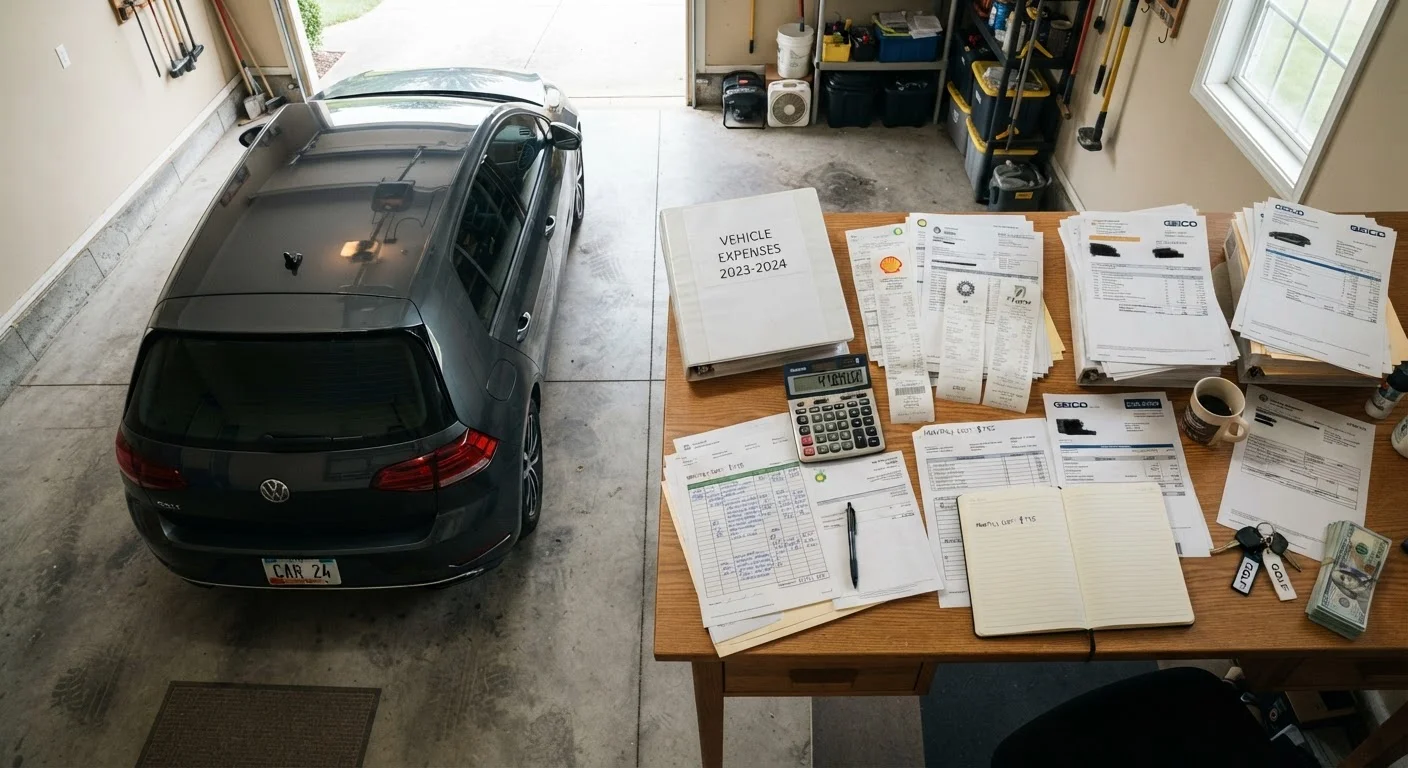
Before committing to a vehicle, estimate your total annual ownership cost - not just the monthly loan payment. Add up projected insurance premiums, average fuel costs based on your commute, routine maintenance, and a reserve for unexpected repairs. Financial planners often suggest setting aside 1-2% of the vehicle's value annually for maintenance and repairs as a general starting point.
Maintenance, Repairs, and the Costs You Can't Predict
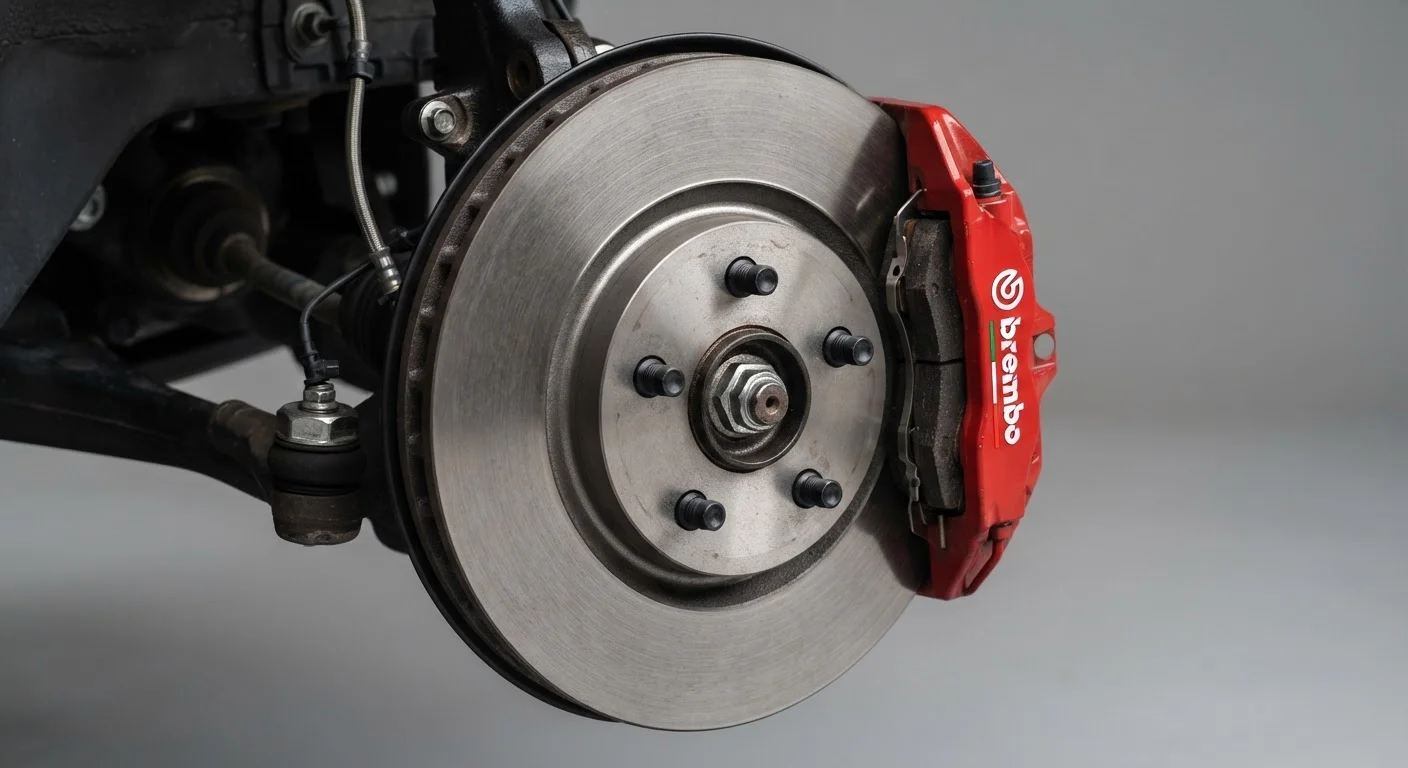
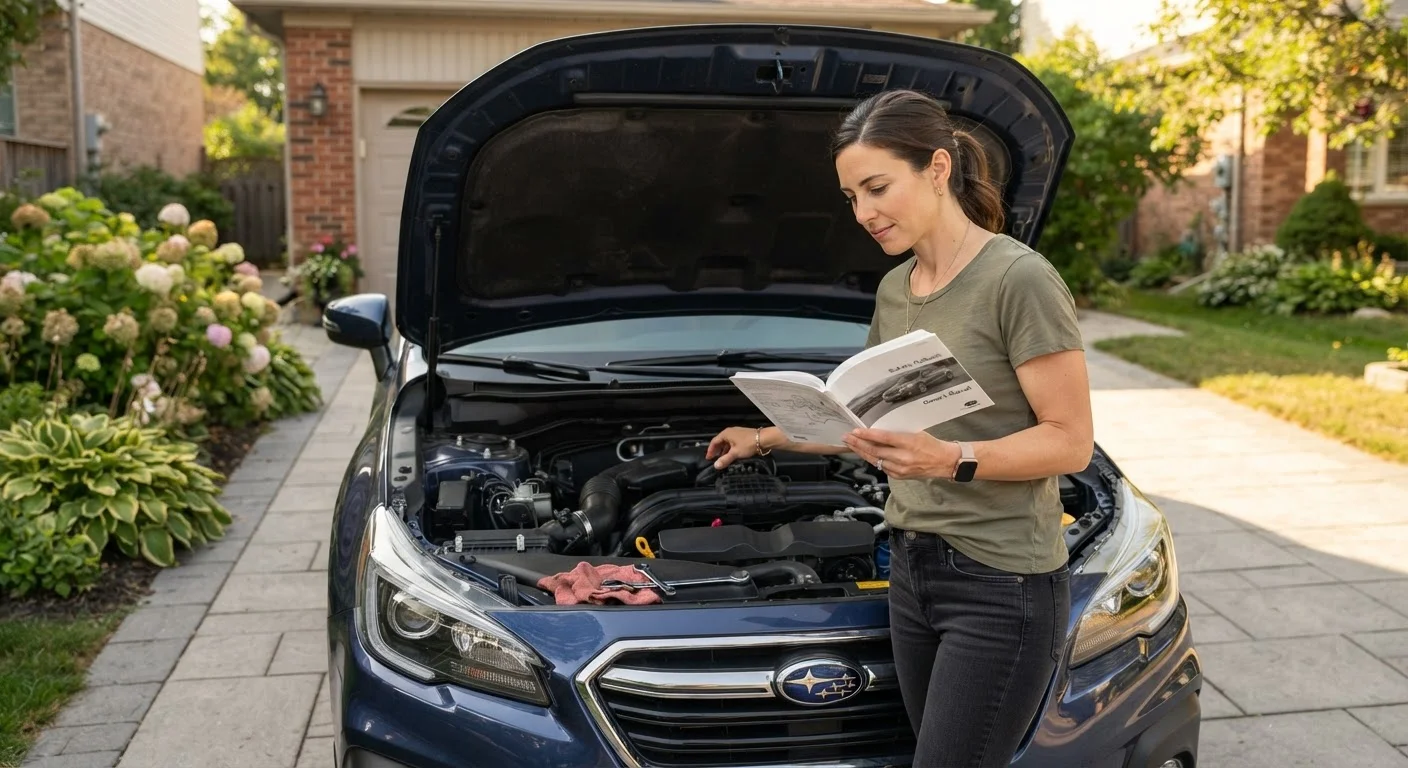
Scheduled maintenance - oil changes, tire rotations, brake inspections, fluid replacements, and filter changes - is a predictable expense that nonetheless surprises many owners who didn't budget for it. Staying current on routine maintenance not only avoids larger repair bills down the line but also preserves resale value.
Unplanned repairs are harder to anticipate but should be factored into any realistic ownership budget. Older vehicles and high-mileage models carry more repair risk; a single major repair - a transmission, air conditioning compressor, or timing chain - can run into the thousands. Registration fees, emissions testing, and any applicable local or state taxes round out the recurring cost picture. For a detailed category-by-category view of what Americans typically spend, see this annual ownership cost breakdown.
Ownership costs parallel what homeowners face: just as a mortgage payment doesn't capture the full cost of a property, a car payment doesn't capture the full cost of a vehicle. Exploring the true annual cost of homeownership reveals the same pattern across both major asset categories.