
How Dashboard Warning Lights Work
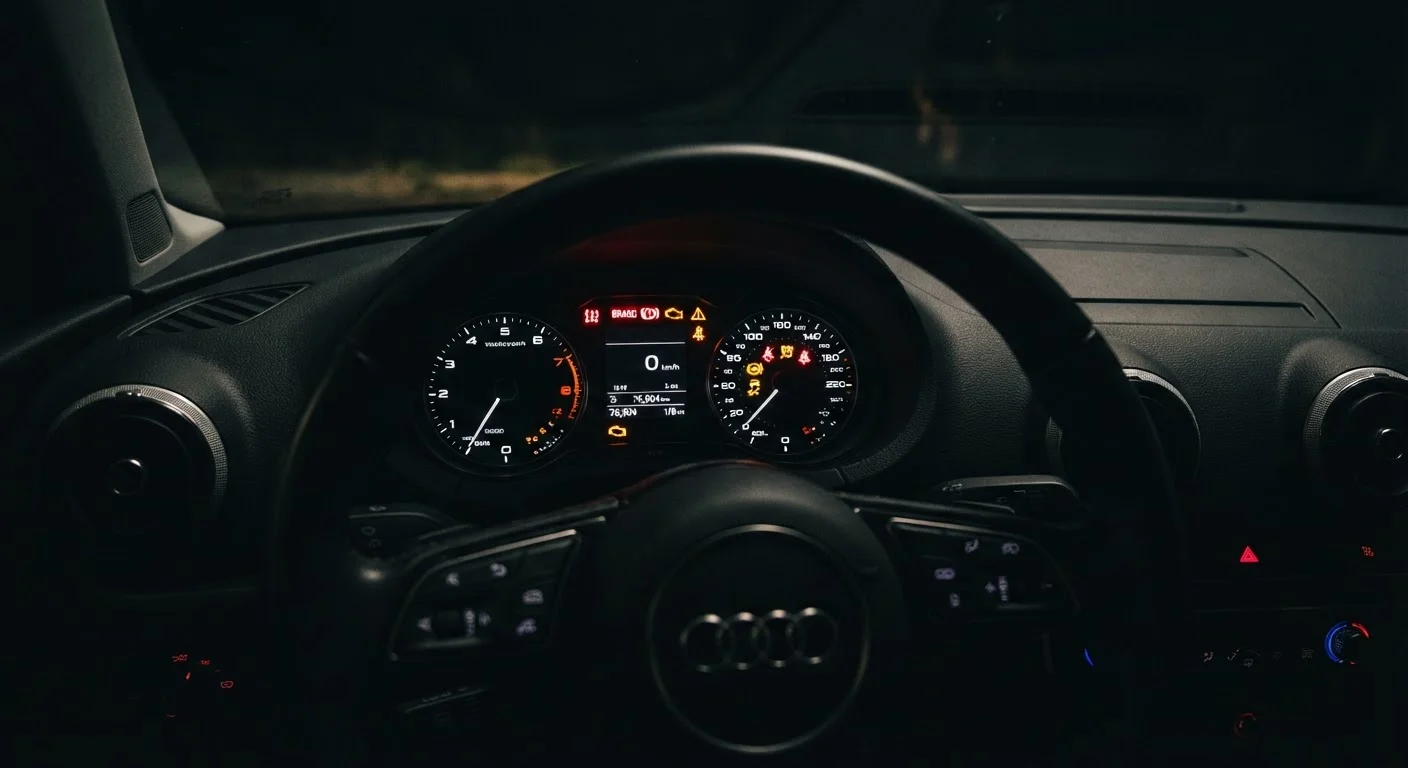
Every modern vehicle sold in the U.S. runs a self-diagnostic cycle each time you start the engine. During those few seconds before you drive, most warning lights flash briefly - that's a bulb check, not a malfunction. When a light stays illuminated after startup, the vehicle's onboard computer has detected a condition worth flagging.
Lights communicate through a straightforward color code: red means stop or act immediately, amber or yellow means investigate soon, and green or blue indicates an active system such as high beams or cruise control. Understanding that hierarchy alone helps you decide whether to pull over now or schedule a service appointment this week.
If you're evaluating a used vehicle, inspecting the dashboard carefully before and during a test drive is one of the most reliable ways to spot hidden problems early.
| Warning light color meanings | Red = urgent; Amber/Yellow = caution; Green/Blue = system active (ISO 2575 international vehicle symbol standards) |
| OBD-II standard adopted in U.S. | 1996 (all passenger vehicles) (U.S. EPA mandate) |
| Most common CEL trigger | Loose or faulty gas cap (evaporative emissions leak) (NHTSA consumer guidance) |
| TPMS federally required on new U.S. vehicles since | 2008 (TREAD Act) |
| Recommended tire pressure check frequency | Once a month and before long trips (U.S. Department of Energy) |
The Lights You're Most Likely to See
These warning indicators appear most frequently across vehicle types and model years. Refer to your owner's manual to confirm symbols for your specific vehicle.
- Check Engine Light (CEL): An amber engine outline. It can mean something as minor as a loose gas cap or as significant as a failing catalytic converter. It does not mean your engine is about to seize - but it should never be ignored long-term. A qualified mechanic or auto parts retailer can read the stored fault code with an OBD-II scanner.
- Battery / Charging System: A red battery icon. The charging system isn't maintaining proper voltage - often a failing alternator or dying battery. Driving far with this light on risks a complete electrical shutdown.
- Oil Pressure Warning: A red oil can outline. This is one of the most serious lights on any dashboard. Low oil pressure can cause rapid, severe engine damage within minutes. If it appears while driving, reduce speed, find a safe place to stop, and check the oil level before proceeding.
- Engine Temperature Warning: A red thermometer submerged in liquid. Overheating can warp cylinder heads and cause catastrophic engine damage quickly. Pull over safely, turn off the engine, and allow it to cool before investigating. Never open a hot radiator cap.
- TPMS (Tire Pressure): An amber horseshoe shape with an exclamation point. One or more tires is significantly underinflated. Check all four tires with a gauge - the sensor identifies a threshold drop, not the exact pressure in each tire.
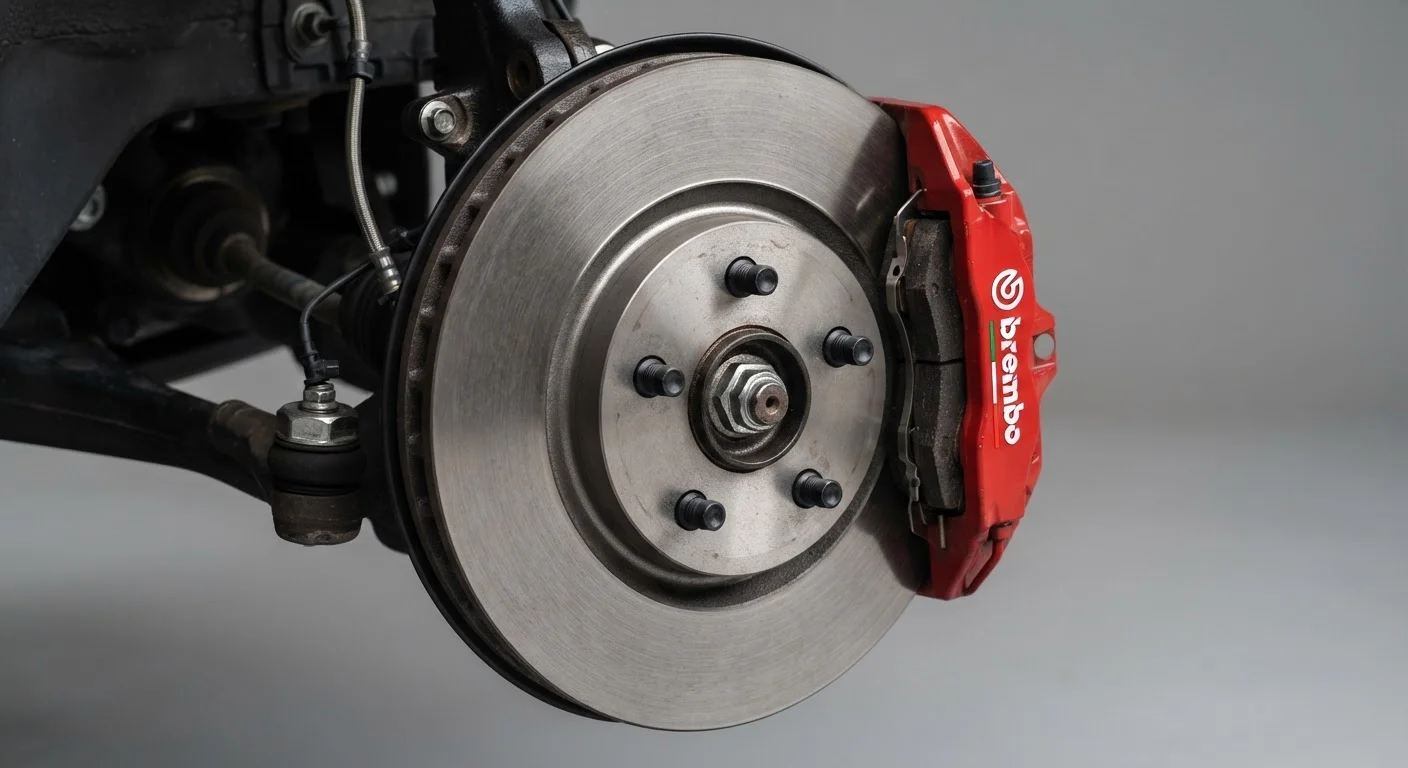
- Brake Warning: A red circle with an exclamation point (sometimes the letter P in a circle). If the parking brake is released and this light remains on, it may indicate low brake fluid or a braking system fault. See how your braking system components work together to better understand what this signal may mean.
- ABS Warning: An amber "ABS" in a circle. The anti-lock braking system has a fault. Standard brakes remain functional, but ABS - which prevents wheel lockup during hard stops - may be disabled.
- Airbag / SRS Warning: An amber seated figure with a circle in front. The supplemental restraint system has detected a fault. In a collision, airbags may not deploy as designed. This warrants prompt professional inspection.
Your Owner's Manual Is the Final Authority
Warning light symbols and their exact meanings can vary by manufacturer and model year. While most icons follow ISO 2575 standards, some automakers use proprietary symbols or color variations. Always cross-reference your vehicle's owner's manual - usually available as a free PDF on the manufacturer's website - for the definitive interpretation specific to your vehicle.
When to Act Immediately vs. Schedule Service
Not every lit dashboard symbol demands an emergency stop, but knowing which ones do can protect both your safety and your engine. Use this general framework as a starting point - always defer to your owner's manual and a qualified mechanic for your specific situation.
Stop driving as soon as it's safe: Oil pressure warning (red), engine temperature warning (red), brake warning while in motion with the parking brake released, or any red warning accompanied by unusual sounds, smells, or changes in vehicle handling. Contact a mechanic or roadside assistance before continuing.
Schedule service within a few days: Check engine light (amber, no driveability symptoms), TPMS, ABS warning, airbag/SRS warning, or battery warning with no immediate electrical symptoms.
Monitor and verify: Traction control flashing during slippery conditions, service interval reminders (oil life, tire rotation), and low fuel warnings. These are informational and don't require immediate professional attention - but shouldn't be dismissed.
For a broader look at what your vehicle may be communicating beyond the dashboard, unusual sounds, smells, and other warning signals are equally worth understanding. And if you're reviewing a used car's history, a vehicle history report can reveal whether past warning events were properly addressed.
Check Engine Light (CEL)
A malfunction indicator lamp triggered when the vehicle's onboard diagnostics system detects a fault in the engine, emissions, or related systems. It does not identify the specific problem without a diagnostic scan.
TPMS
Tire Pressure Monitoring System - a sensor network that alerts the driver when one or more tires falls significantly below the recommended inflation level, as required on U.S. vehicles since 2008.
OBD-II Scanner
A standardized diagnostic tool that reads fault codes stored by a vehicle's onboard computer. Most vehicles sold in the U.S. since 1996 use a standardized OBD-II port, typically located under the dashboard near the steering column.
Amber vs. Red Warning
Dashboard lights use color to convey urgency. Amber (yellow/orange) lights signal a condition that needs attention soon but not immediately. Red lights indicate a potentially serious problem that may require stopping the vehicle.