
The Real Price of Putting Maintenance Off
Every driver has delayed a service appointment at least once. Life gets busy, costs feel inconvenient, and when the car seems to be running fine, maintenance can feel optional. The problem is that vehicles rarely announce serious damage before it happens - they give small signals first, and deferred maintenance turns those signals into emergencies.
The financial math is clear: routine maintenance costs far less than the repairs it prevents. An oil change costs a fraction of an engine replacement. New brake pads are a fraction of rotor and caliper damage. Understanding why these lapses happen - and how to stop the pattern - is the most practical thing any driver can do for their budget and their safety. See where car owners lose the most money without realizing it for a broader look at ownership oversights that quietly drain your wallet.
Skipping or excessively delaying oil changes.
Why it happens: Drivers often rely on how the car 'feels' rather than mileage or time intervals, and modern engines can mask early oil degradation surprisingly well.
Ignoring the tire pressure warning light or skipping regular tire checks.
Why it happens: Tire pressure loss is gradual and hard to notice by feel until a tire is seriously underinflated, so many drivers assume the tires are fine until a warning appears.
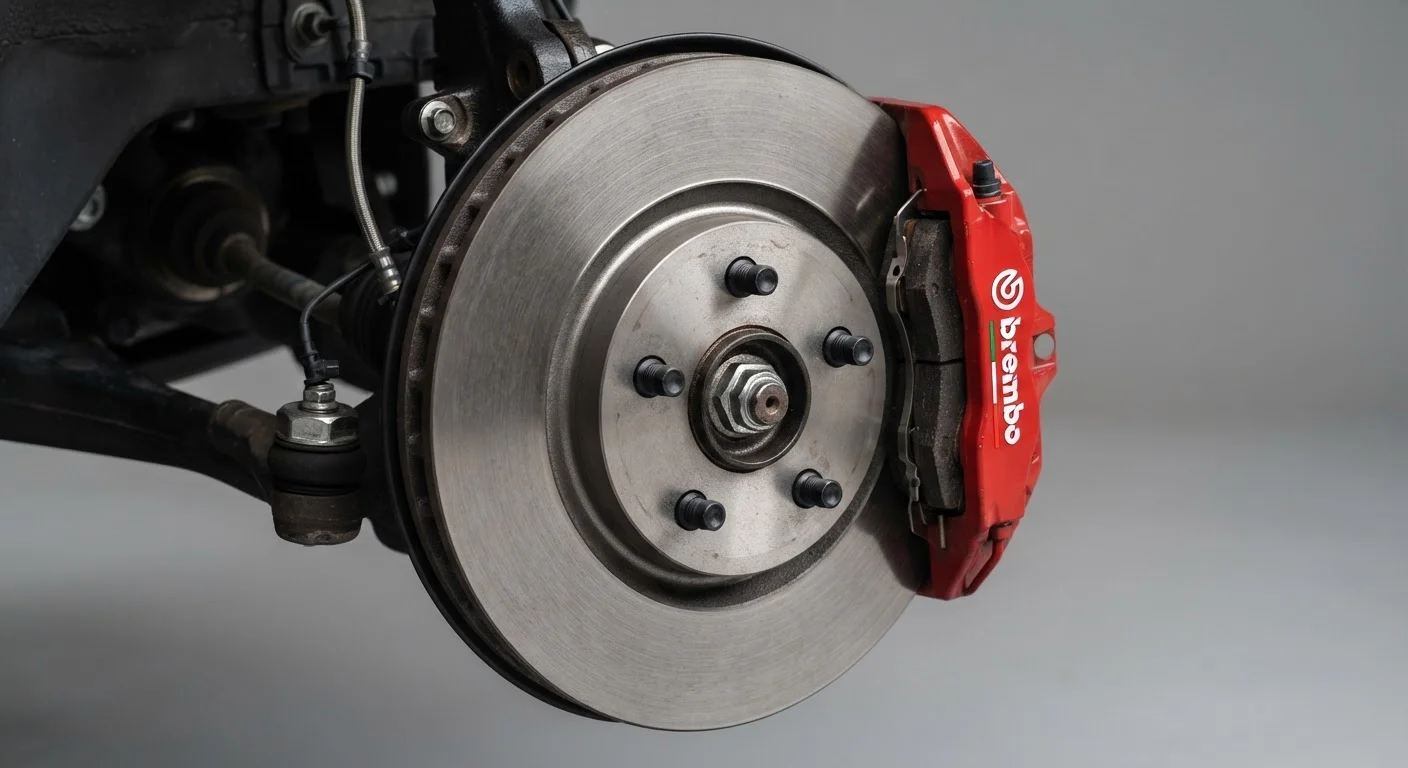
Letting brake pads wear down to metal-on-metal contact before replacing them.
Why it happens: Brake wear is gradual, and drivers often tolerate squealing sounds for weeks before acting, not realizing the sound is a built-in wear indicator - not a minor annoyance.
Neglecting coolant, transmission fluid, and brake fluid changes.
Why it happens: Fluids that aren't oil are frequently overlooked because they don't have as prominent a cultural reminder and are out of sight under the hood.
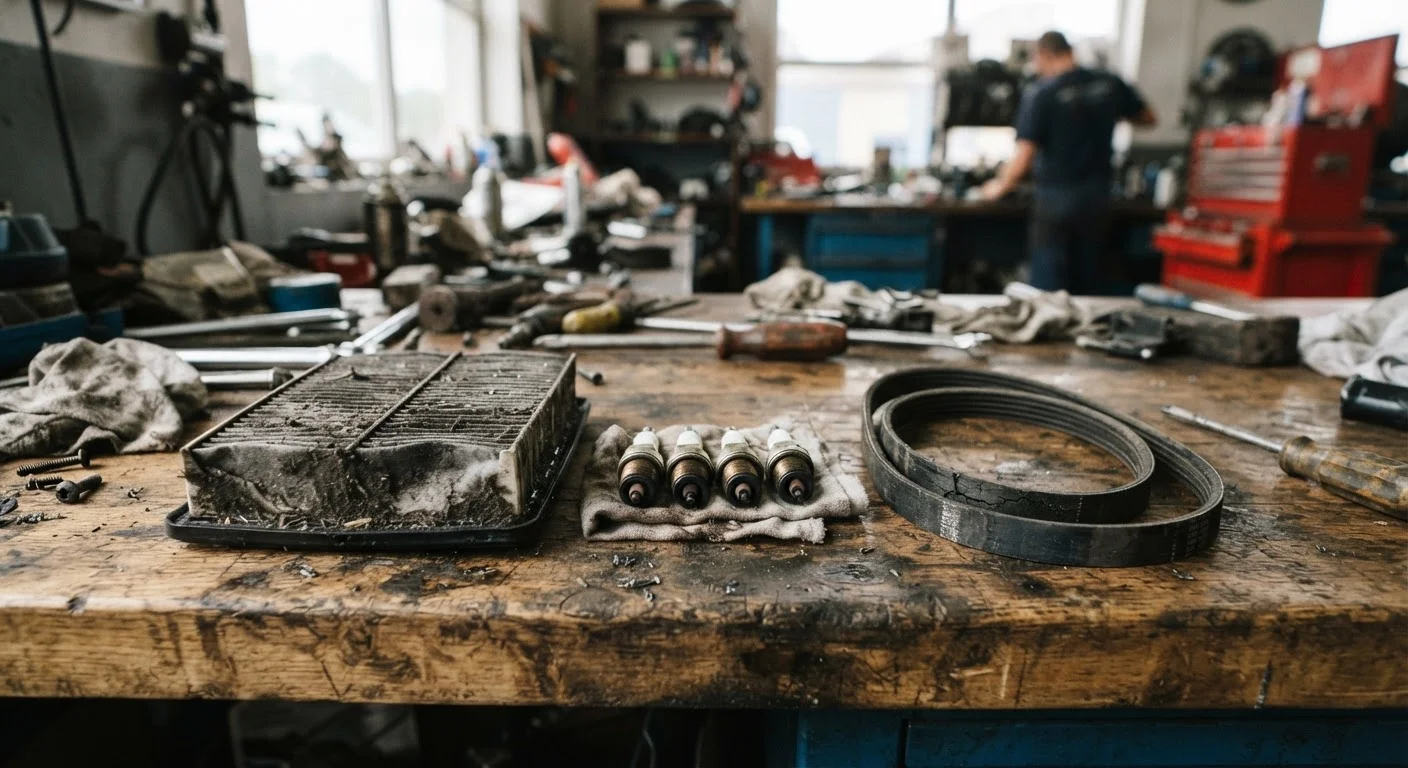
Deferring air filter replacements because the car still seems to run acceptably.
Why it happens: A clogged air filter degrades performance gradually, so drivers rarely notice the change until fuel economy has already dropped measurably.
Building Habits That Actually Protect Your Vehicle
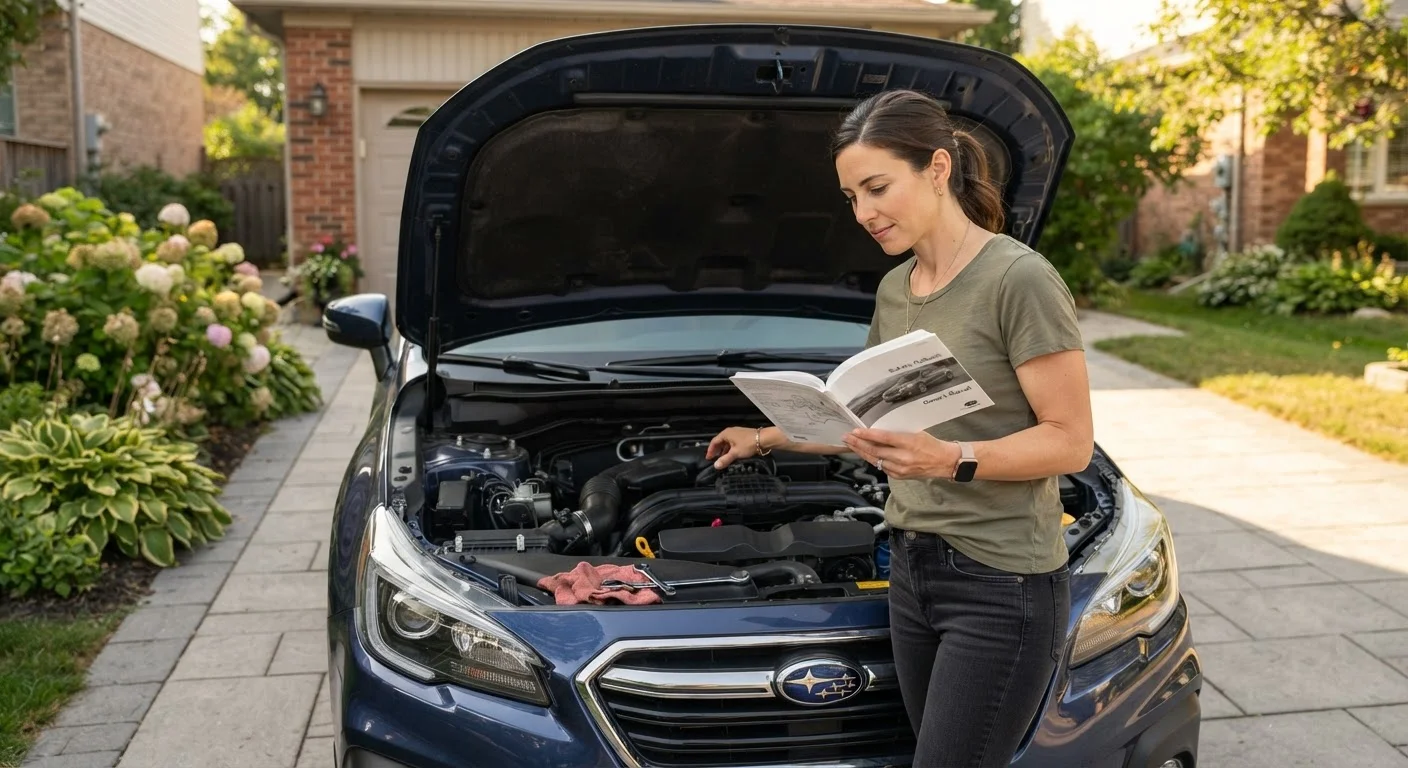
Avoiding deferred maintenance isn't about being a car expert - it's about having a reliable system. Your vehicle's owner's manual contains a manufacturer-specified service schedule based on real engineering data, covering oil, filters, fluids, belts, and more. Following it is the single most effective thing you can do to protect your investment.
$1,200+
Average cost of a neglected engine repair
Industry service data consistently shows that engine damage from oil neglect - such as sludge buildup - can result in repair bills exceeding $1,200, compared to routine oil change costs of $30-$100.
~25%
Fuel economy loss from underinflated tires
The U.S. Department of Energy estimates that underinflated tires can reduce gas mileage by roughly 0.2% per PSI drop across all four tires, adding up meaningfully over time.
If you're unsure whether you're following the right intervals, understanding mileage-based vs. time-based service intervals can help clarify which schedule applies to how you actually drive. And if you've heard conflicting advice about what your car really needs - like the persistent myth that you must change oil every 3,000 miles - it's worth reviewing common maintenance myths that may be costing you at the shop.
The most sustainable approach is a written or app-based schedule you review at every fill-up or each month. Building a car maintenance schedule you can actually stick to walks through how to organize exactly that - so nothing critical slips through the cracks regardless of how busy life gets.
Don't Wait for a Warning Light to Act
Dashboard warning lights are a last resort - not an early alert system. By the time many warnings illuminate, wear or damage has already progressed significantly. Sticking to a proactive maintenance schedule based on mileage and time is far more protective than relying on your car to tell you when something is wrong.