
The Overlooked Costs That Add Up Quietly
Most car owners are aware of obvious expenses - monthly payments, fuel, insurance premiums. What catches people off guard are the quieter, accumulating costs that stem not from bad luck but from common habits. Skipping a routine service here, misunderstanding a coverage gap there - these decisions compound over time into real financial damage.
Understanding where the losses happen is the first step to preventing them. The full picture of car ownership goes well beyond the purchase price, as explored in our overview of the true cost of owning a car beyond the sticker price. The mistakes below are some of the most common - and most preventable.
Delaying or skipping oil changes because the car seems to be running fine.
Why it happens: Modern engines are durable and rarely give immediate feedback when oil degrades, so it's easy to push the interval further than the manufacturer recommends.
Carrying the minimum legally required insurance coverage and assuming it's sufficient.
Why it happens: Minimum coverage lowers the monthly premium, which feels like savings - until a serious accident reveals how little protection it actually provides for your vehicle or your liability exposure.
Ignoring tire pressure until a tire looks visibly flat or a warning light activates.
Why it happens: Tires lose pressure gradually, making the drop nearly invisible to the eye, and many drivers don't check pressure manually with any regularity.
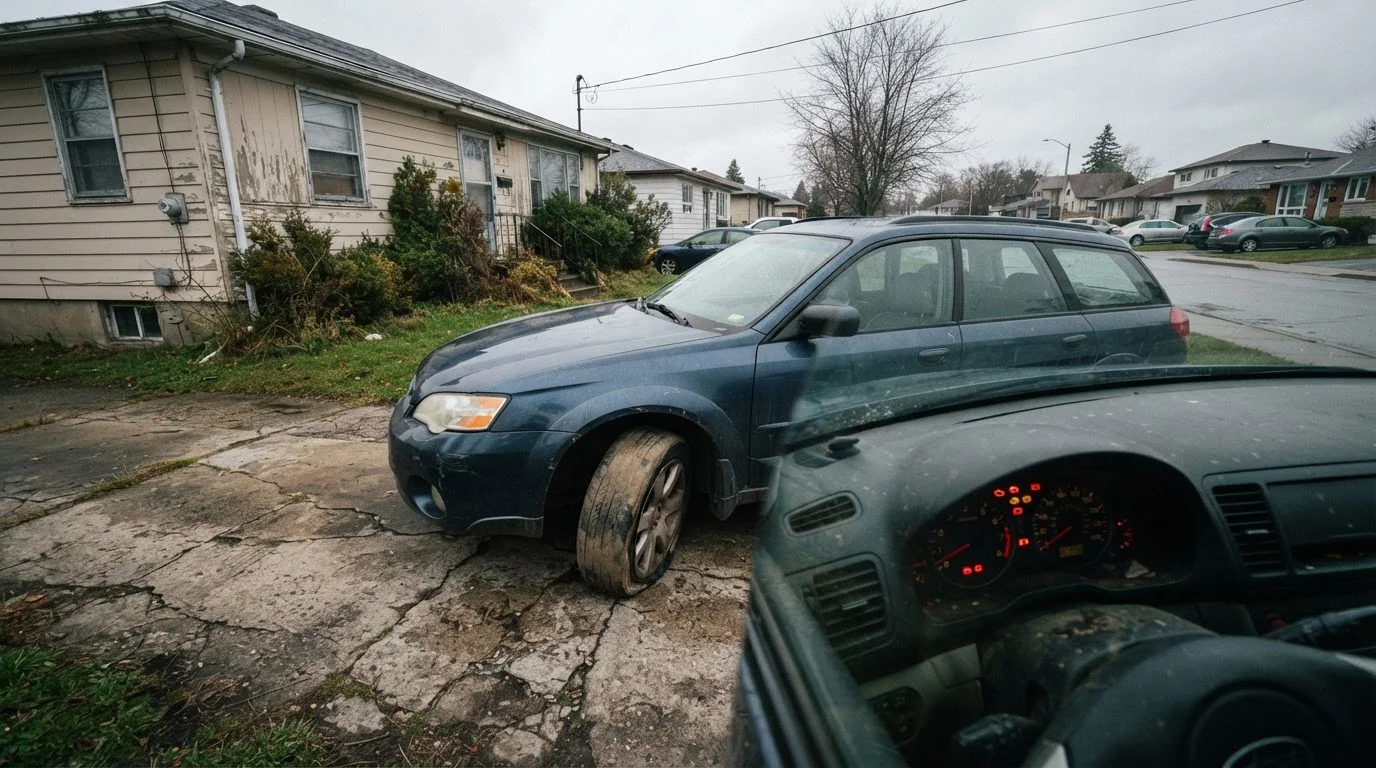
Ignoring small warning lights or unusual noises until they become unavoidable.
Why it happens: When a warning light appears but the car continues to drive normally, it's tempting to treat it as a minor nuisance rather than an early signal worth addressing promptly.
Neglecting depreciation when making vehicle financing or upgrade decisions.
Why it happens: Depreciation is invisible on a day-to-day basis, so owners underestimate how much value their vehicle loses - particularly in the first few years - and make financing decisions without accounting for it.
Letting vehicle registration, title, and insurance documents fall out of order.
Why it happens: Once paperwork is handled at purchase, it tends to get filed away and forgotten - until a renewal deadline is missed or a traffic stop reveals an expired document.
Why These Mistakes Are So Easy to Make
None of these errors happen because car owners are careless. They happen because modern vehicles are engineered to keep running even when something is wrong. Warning lights get ignored because nothing seems broken yet. Insurance paperwork gets filed away and forgotten. Tire pressure looks fine at a glance.
$1,200+
Average annual cost of deferred maintenance repairs
Industry estimates from automotive service organizations consistently show that skipped routine maintenance leads to repair costs that far exceed the original service price.
25%
Fuel economy loss from underinflated tires
The U.S. Department of Energy estimates that tires underinflated by just 1 PSI per tire can reduce fuel economy by roughly 0.2%, with significant losses as pressure drops further.
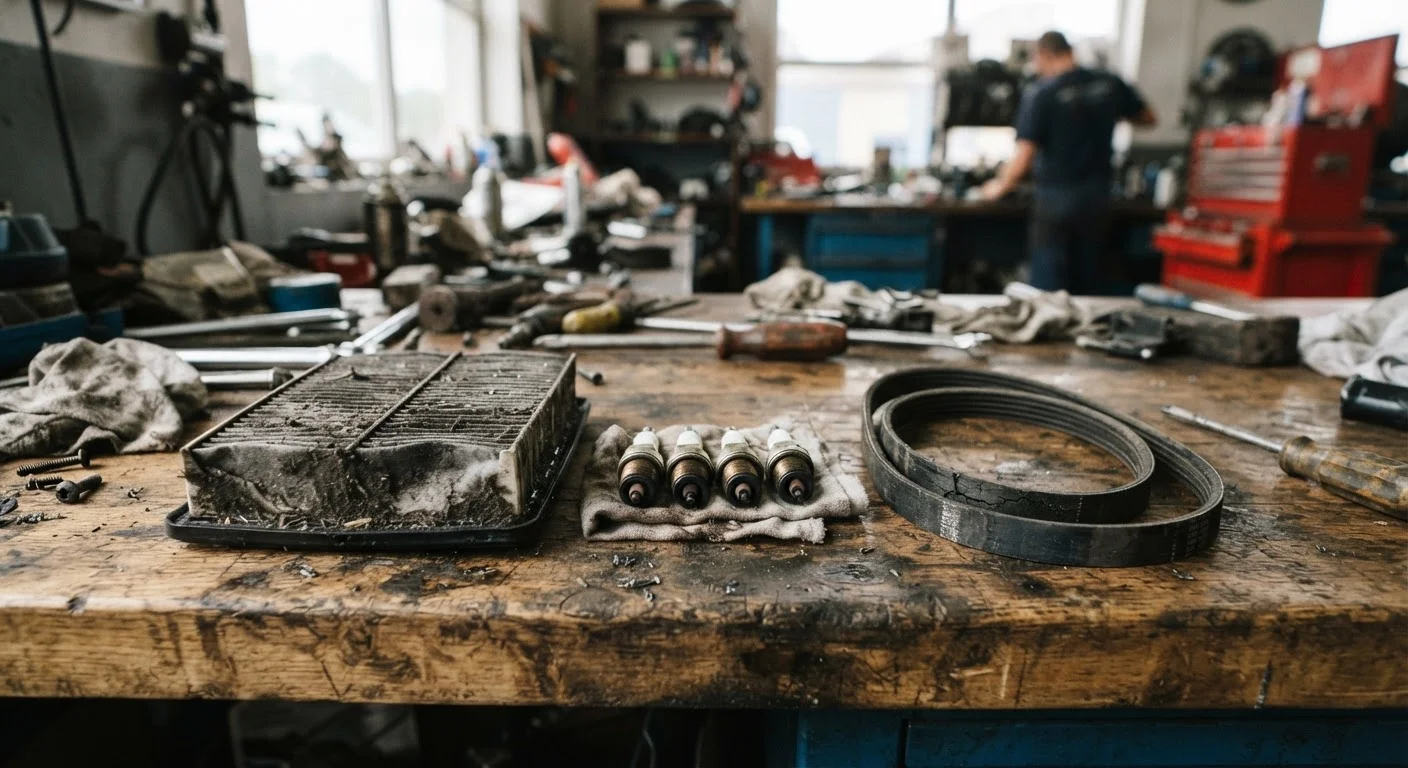
The pattern mirrors what happens when any deferred maintenance spirals - small issues grow into expensive failures. Our article on why skipping routine maintenance costs more than you think walks through exactly how that escalation works mechanically. For an even closer look at the specific components most people overlook, see our guide to air filters, spark plugs, and belts.
Your Owner's Manual Is Your Best Financial Tool
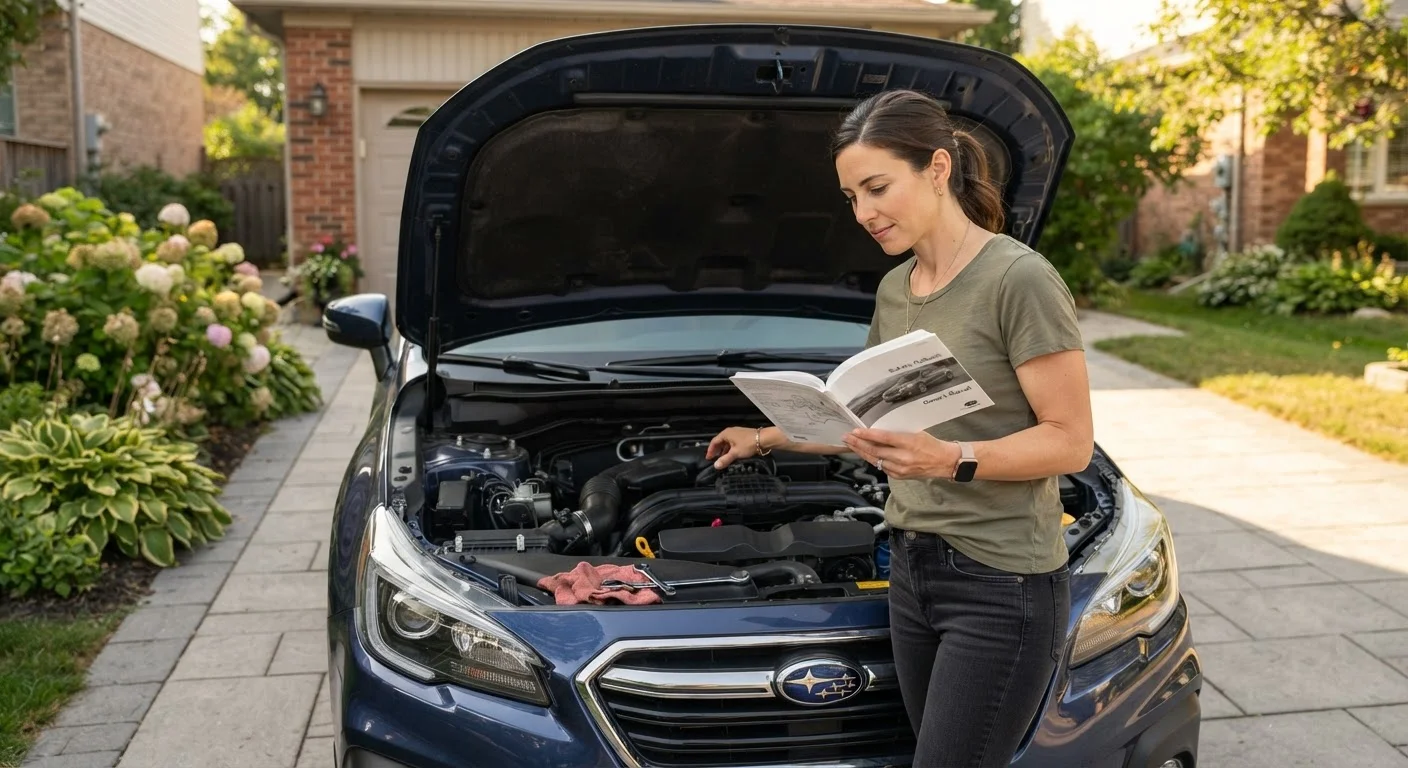
Every maintenance interval, fluid specification, and tire pressure recommendation your vehicle needs is documented in the owner's manual provided by the manufacturer. Ignoring these specifications in favor of generic advice - or no schedule at all - is one of the most direct paths to avoidable repair costs. If the manual for your vehicle isn't in the glove box, manufacturers typically make them available through their official websites.
Building a simple annual checklist - tire pressure monthly, fluid levels quarterly, insurance policy review annually - costs nothing and puts you ahead of most drivers. Your owner's manual remains the most authoritative and underused resource available to you.