
What We Mean by 'Smart Home Device'
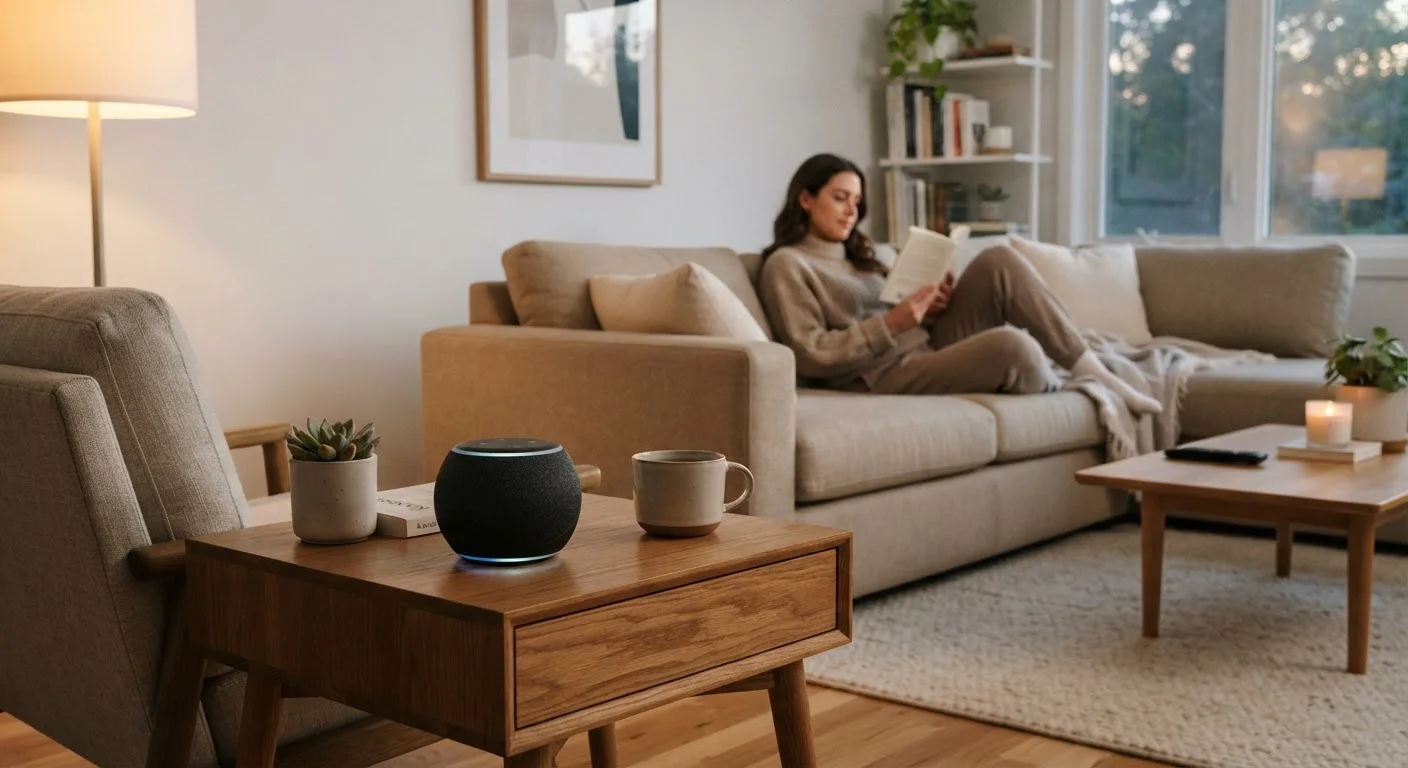
The term covers a wide range of connected gadgets: voice assistants, smart thermostats, video doorbells, smart plugs, lighting systems, and more. What they share is an internet connection and the ability to be controlled remotely - often by a smartphone app or voice command. For a broader look at what's possible in this space, see the Home Tech Setup hub.
Understanding these devices means separating what they do well from where they genuinely fall short. Both sides are real, and neither should be dismissed.
Hands-free control of everyday home functions
Voice commands and automations let users adjust lighting, temperature, and locks without lifting a finger - a meaningful benefit for people with mobility limitations.
Remote access from anywhere with internet
Smart cameras, locks, and thermostats can be monitored or adjusted from a smartphone wherever you are, providing useful peace of mind when away from home.
Potential to reduce energy waste over time
Smart thermostats and plugs can be programmed or automated to avoid running appliances unnecessarily, which may reduce energy consumption for some households.
Routines and automations simplify repetitive tasks
Schedules and triggers - like lights turning on at sunset - handle small tasks automatically, reducing the number of decisions needed throughout the day.
The Genuine Advantages
The convenience case for smart home devices is legitimate. Automating repetitive tasks - adjusting the thermostat, switching off lights, checking who's at the door - frees up small but meaningful amounts of time and mental bandwidth every day. For people with mobility challenges or disabilities, voice-controlled devices can be genuinely transformative, enabling independent control of lighting, locks, and appliances without physical effort.
Energy management is another real benefit. Smart thermostats, for instance, can learn household patterns and adjust heating and cooling accordingly - potentially reducing energy waste over time. If you already own connected gadgets, getting more from devices you already own is often easier than starting from scratch.
The Honest Disadvantages
The trade-offs are just as real as the benefits. Privacy is the most significant concern for many users. Smart speakers and cameras collect data to function - voice clips, usage patterns, device logs. This data is processed by the manufacturer's servers, and users often have limited visibility into exactly what's retained or shared. Our detailed look at what smart home devices collect and how to limit it walks through this in plain language.
Reliability is another honest concern. Smart devices depend on a working internet connection and the continued operation of a manufacturer's cloud service. If your Wi-Fi drops, or a company discontinues support for an older product, functionality can disappear entirely. For a practical look at why devices drop off and what helps, see why smart home devices keep disconnecting.
Privacy trade-offs that aren't always transparent
Most smart devices collect usage data, voice recordings, or behavioral patterns to function. The extent of data retention and third-party sharing varies by manufacturer and isn't always easy to understand from the documentation.
Dependent on internet and cloud service uptime
If your home internet goes down or a manufacturer discontinues cloud support, many smart devices lose core functionality - sometimes permanently.
Compatibility friction between brands and platforms
Devices from different manufacturers often require separate apps and don't always interoperate smoothly, even when they claim to support shared standards.
Setup and troubleshooting require some technical comfort
Initial configuration, app permissions, and network settings can frustrate users who aren't comfortable navigating software - and issues can resurface after firmware updates.
Device support can end while hardware still works
Manufacturers sometimes end software or security updates for older models, leaving devices that physically work but are no longer receiving patches or app support.
Compatibility and the Ecosystem Problem
One of the less-discussed frustrations with smart home tech is compatibility. Devices from different manufacturers don't always communicate reliably, even when they theoretically support the same standards. Choosing products from a single ecosystem can reduce friction - but it also locks you into one company's pricing, privacy policies, and long-term support decisions.
The case for and against a single smart home ecosystem explores this tension in depth. If you're just getting started and want to avoid compatibility headaches from the beginning, what to set up first and why order matters offers a structured approach.
The Matter Standard: What It Means for You
Matter is a relatively recent interoperability standard backed by major tech companies, designed to let devices from different brands work together more reliably. While it's a step forward, not all existing devices support it, and it doesn't eliminate every compatibility issue. If cross-brand compatibility matters to your setup, checking for Matter support before purchasing a device is worth doing.
Making an Informed Decision
The right question isn't whether smart home devices are good or bad - it's whether the trade-offs make sense for your specific situation. Someone who values simplicity and strong privacy controls may find the friction outweighs the convenience. Someone who wants hands-free control or remote access to their home's systems may find the benefits clearly worth it.
Separating fact from marketing hype matters here too. Common myths about smart home technology is a useful companion read for anyone who wants to cut through inflated claims. Entry-level options like smart plugs are a low-stakes way to test whether connected devices fit your household before committing to a larger setup.
~35%
U.S. households with at least one smart speaker
Edison Research and NPR have tracked smart speaker adoption in the U.S. at roughly this level in recent years, indicating widespread but far from universal adoption.
3 in 5
Smart device owners reporting occasional connectivity issues
Consumer surveys on smart home satisfaction consistently find that connectivity and reliability problems are among the most common frustrations reported by owners.