
Why Trade-Ins Quietly Drain Value
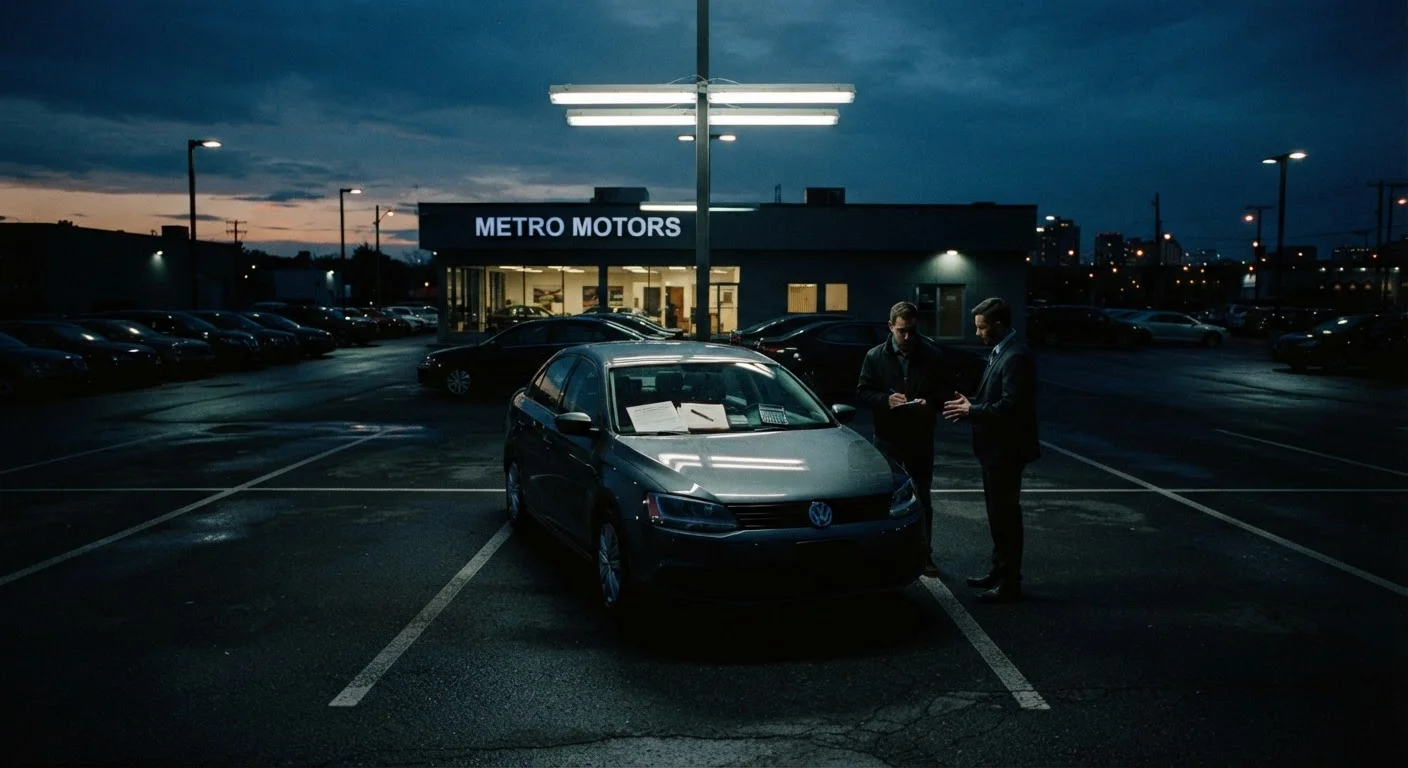
Trading in a vehicle at a dealership is genuinely convenient - one trip, one transaction, no classified ads. But that convenience is rarely free. Dealers acquire trade-ins below market value and resell them at a profit, which is a legitimate business practice. The problem is when consumers don't recognize this dynamic and walk in without a baseline number to anchor the conversation.
The gap between what a dealer offers and what your car is actually worth on the open market can range from a few hundred to several thousand dollars, depending on the vehicle, local demand, and how well-prepared you are. Understanding where value leaks happen is the first step toward minimizing them. For a broader look at the financial blind spots that erode car ownership value, see where car owners quietly lose money.
Walking into a dealership without an independent appraisal.
Why it happens: Most consumers assume the dealer's offer is a fair reflection of market value, or they're unaware that free appraisal tools exist outside the dealership.
Negotiating the trade-in and the new vehicle purchase at the same time.
Why it happens: Dealers are trained to blend these two transactions, making it easier to offset a generous trade-in offer with a less favorable deal on the new vehicle, or vice versa.
Accepting the first offer without any pushback.
Why it happens: The appraisal process can feel authoritative - a formal inspection, a printed number - which leads many people to treat the first offer as final.
Disclosing your trade-in intention too early in the conversation.
Why it happens: It feels natural to mention you have a car to trade - it's part of the deal. But revealing this upfront gives the salesperson a lever to use across both negotiations simultaneously.
Neglecting vehicle condition and missing documentation before the appraisal.
Why it happens: Owners adapt to their own vehicle's quirks and may underestimate how a dirty interior, small dent, or missing service records affects a third-party appraiser's impression.
Trading in at the wrong time in the market cycle.
Why it happens: Most people trade in when they're ready to buy something new, without considering whether current market conditions favor sellers or dealers.
Preparing Your Trade-In and Knowing Your Next Move
Once you've avoided the most common mistakes, preparation becomes your strongest tool. Gather all maintenance records - a documented service history signals a well-cared-for vehicle and gives appraisers less reason to discount your offer. Address minor cosmetic issues like cracked trim or a broken interior light; small repairs can shift the perceived condition tier from "fair" to "good," which moves the needle on appraisal software used by most dealers.
$1,000-$3,000+
Typical trade-in gap vs. private sale
Industry estimates consistently show consumers receive meaningfully less through dealer trade-ins than comparable private-party transactions for the same vehicle.
3+
Appraisals recommended before trading in
Consumer automotive advocates generally recommend obtaining at least two to three independent appraisals to establish a defensible baseline value.
Equally important is knowing what you're buying next before you step onto the lot. Dealers use uncertainty about the purchase to shift focus away from the trade-in value. If you've already researched the vehicle you want - including its invoice price and available incentives - you're negotiating from a position of knowledge rather than impulse. Common car-buying myths often trip up otherwise prepared shoppers at exactly this stage. And if you're still deciding between new and used, a practical framework for that decision can clarify the financial trade-offs before you commit.
Never Reveal Your Payoff Amount First
If you still owe money on your current vehicle, be cautious about volunteering your exact payoff balance early in the negotiation. Dealers may structure the offer around absorbing your remaining loan rather than around the actual market value of the car. Know your payoff figure, but let the appraisal conversation lead - not your loan balance.
Finally, consider the private-sale alternative seriously. Selling your current vehicle independently - through a classified listing or an online peer-to-peer marketplace - typically yields meaningfully more than a dealer trade-in. It requires more effort, but if the value gap is large enough, it may be worth the extra weeks. Whatever path you choose, go in knowing your number, and don't let the transaction move faster than your confidence allows. For a list of questions that shift the dealer conversation in your favor, these are worth raising before you sign anything.