
What a Maintenance Schedule Actually Is
Every vehicle leaves the factory with a service plan baked in. That plan - your maintenance schedule - is a structured timeline of inspections, fluid changes, and part replacements designed to keep your car operating safely and efficiently over its lifespan. It isn't a sales tool or a suggestion; it's engineering guidance translated into practical milestones.
Most schedules are organized around two variables: miles driven and time elapsed. Some tasks are triggered by mileage, some by calendar months, and many by whichever threshold arrives first. The difference between mileage and time-based intervals matters more than most drivers realize, especially if you drive far below average annual mileage.
Your owner's manual is the definitive source - not the sticker a quick-lube shop puts on your windshield, and not a neighbor's advice about what works on a different make and model.
The Major Service Milestones and What They Cover
While exact intervals vary by manufacturer, most passenger vehicles share a common set of service categories that recur throughout ownership:
- Oil and filter changes: The most frequent task. Interval depends on oil type (conventional vs. synthetic) and your driving patterns. Check your manual - the old 3,000-mile rule is outdated for most modern vehicles.
- Tire rotation: Typically every 5,000-7,500 miles. Rotating tires evens out tread wear across all four wheels, extending tire life and maintaining predictable handling.
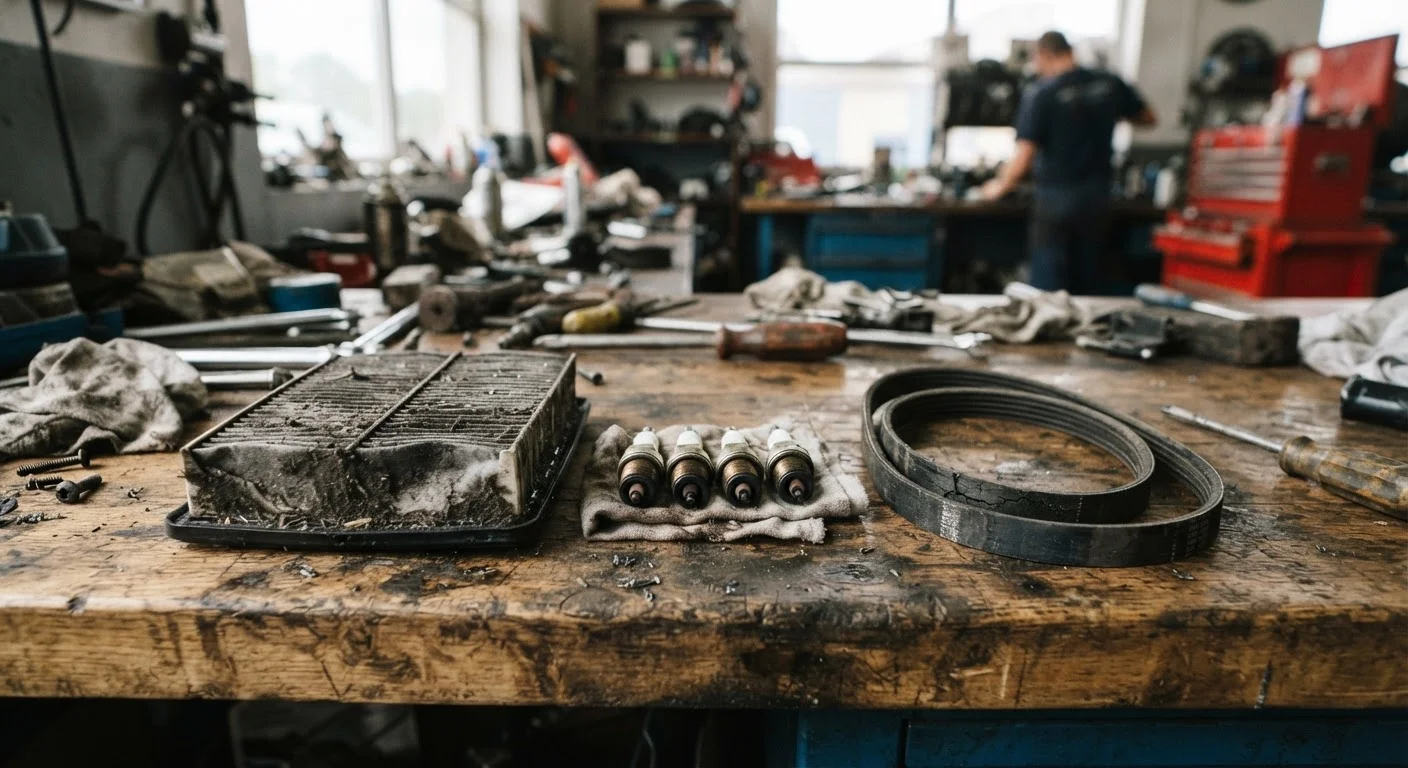
- Air filter replacement: Engine air filters generally need replacement every 15,000-30,000 miles. Cabin air filters, which affect interior air quality, are often on a similar schedule.
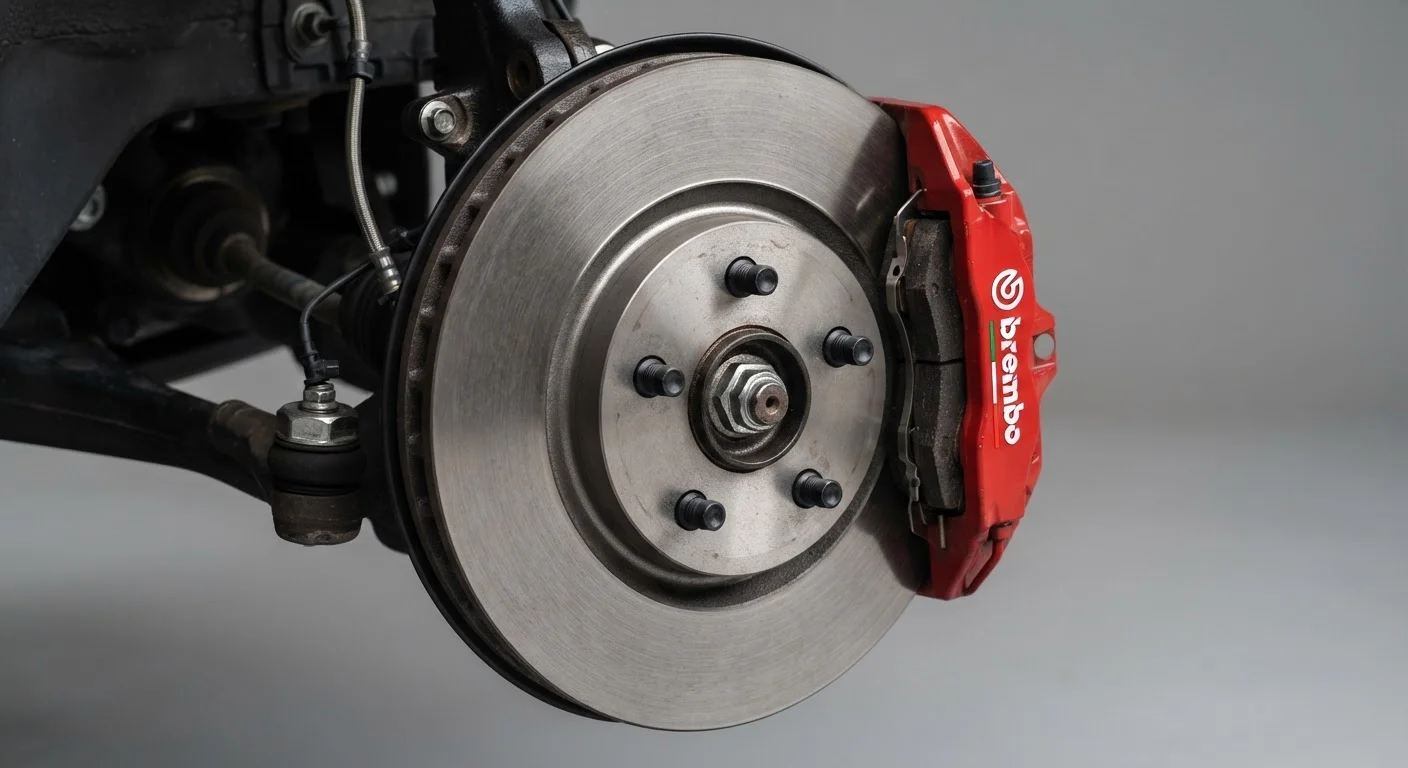
- Brake inspection: Brakes should be inspected at least annually or every 12,000 miles. Pad thickness, rotor condition, and brake fluid quality all factor into safe stopping performance.
- Fluid checks and flushes: Coolant, transmission fluid, brake fluid, and power steering fluid all degrade over time. Flush intervals range from 30,000 to 100,000 miles depending on fluid type and vehicle specifications.
- Spark plugs: Conventional plugs may need replacement around 30,000 miles; iridium or platinum plugs in modern engines can last 60,000-100,000 miles.
- Timing belt or chain: Timing belts (not all vehicles have one) are among the most critical replacements - often due between 60,000 and 105,000 miles. Failure can cause catastrophic engine damage.
35%
Vehicles overdue for at least one maintenance item
According to the Car Care Council, roughly one-third of vehicles on US roads are overdue for at least one scheduled maintenance item at any given time.
$1,200+
Average annual vehicle maintenance cost
AAA estimates that typical passenger vehicle owners spend over $1,200 per year on routine maintenance and repairs, with costs rising significantly when scheduled services are skipped.
5,000-10,000 mi
Typical modern oil change interval
Most current vehicle manufacturers recommend oil change intervals between 5,000 and 10,000 miles for synthetic oil, replacing the outdated 3,000-mile guideline.
Normal vs. Severe Driving: Why It Changes Everything
Most owner's manuals include two schedules: one for normal driving and one for severe conditions. Severe doesn't mean off-road racing - it describes everyday patterns that put extra stress on components.
If you regularly make short trips under five miles, sit in heavy stop-and-go traffic, tow a trailer, operate in very hot or cold climates, or drive on gravel roads, you likely qualify for the severe schedule. That schedule calls for more frequent oil changes, earlier brake inspections, and closer attention to transmission fluid. Ignoring this distinction is one of the most common - and costly - maintenance mistakes drivers make.
Check Both Schedules in Your Manual
Most owner's manuals print the normal and severe-duty schedules side by side. Take five minutes to read both and honestly assess which matches your driving patterns. Choosing the wrong schedule - even with good intentions - can mean under-servicing components that are wearing faster than standard assumptions account for.
For a practical system that accounts for your real driving habits, see our guide on building a maintenance schedule you can actually follow.
Reading Your Schedule With Confidence
Once you know what a maintenance schedule contains, using it becomes straightforward. Keep a simple log - digital or paper - of every service performed, including the date and odometer reading. This log protects you in warranty situations, helps future mechanics understand the vehicle's history, and gives you a clear view of what's coming due.
If you're new to tracking this, building a car maintenance routine as a first-time owner walks through how to structure those habits from day one. And if you've ever wondered whether common advice you've heard actually holds up, it's worth reviewing the truth behind common car maintenance myths before your next shop visit.
Staying on schedule isn't about spending more money - it's about spending it at predictable times on planned services rather than on emergency repairs that follow neglect. Vehicles with well-documented maintenance histories also tend to hold their value better and experience fewer unexpected failures as mileage climbs. For context on what that looks like long-term, see what the evidence suggests about keeping high-mileage cars reliable.