
Why High Mileage Doesn't Have to Mean High Risk
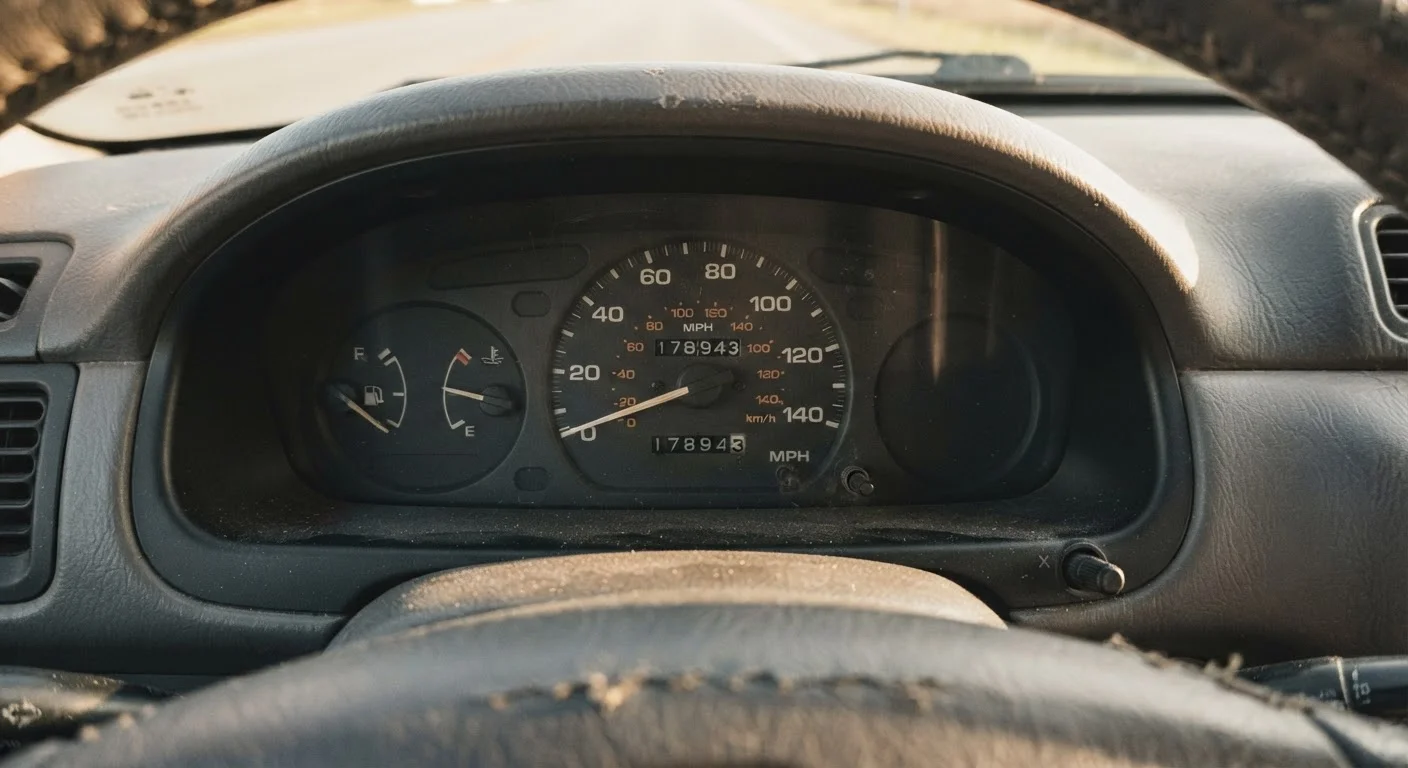
The 100,000-mile milestone used to signal the beginning of the end for a vehicle. Today, improved engineering and better lubricants mean many well-maintained cars routinely reach 200,000 miles or beyond. The key word is maintained. What separates a reliable high-mileage vehicle from a money pit is rarely luck - it's consistent, informed care.
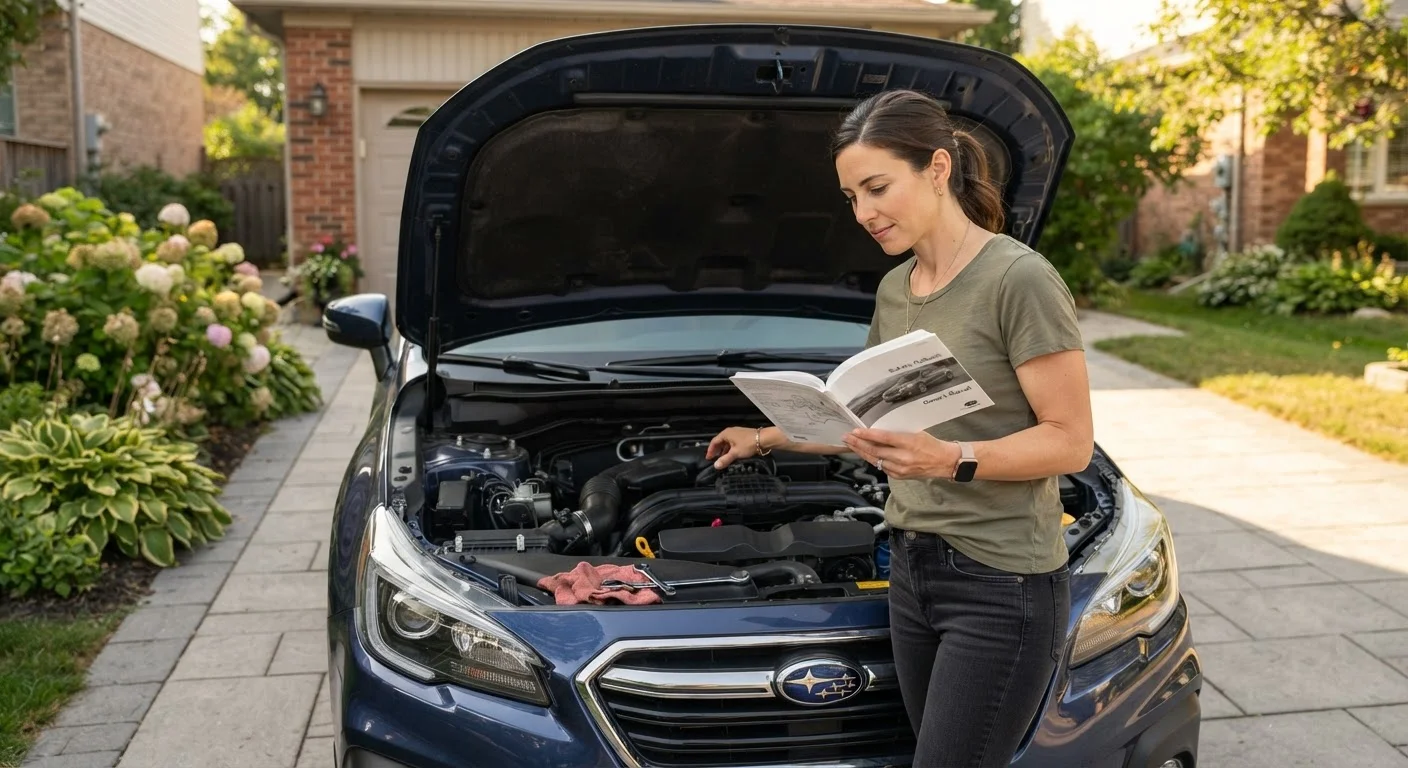
Consumer data from automotive research organizations consistently shows that vehicles kept on a disciplined service schedule experience significantly fewer unplanned breakdowns. If you're keeping an older, high-mileage car on the road, understanding where age-related wear concentrates is the starting point. As you build your approach, a structured maintenance schedule can help ensure nothing critical slips through the cracks.
The Maintenance Practices That Matter Most After 100K Miles
Not all maintenance tasks carry equal weight as mileage climbs. The following practices are grounded in what automotive engineers and professional mechanics consistently prioritize for aging vehicles.
Switch to a high-mileage oil formulation and shorten your change interval if your engine shows signs of consumption.
Older engines develop increased clearances between moving parts due to wear, which can cause standard oil to burn off faster and leave critical surfaces under-lubricated. High-mileage oil formulations typically contain seal conditioners and additional detergents suited to worn engines. Monitoring oil level between changes catches problems before they escalate.
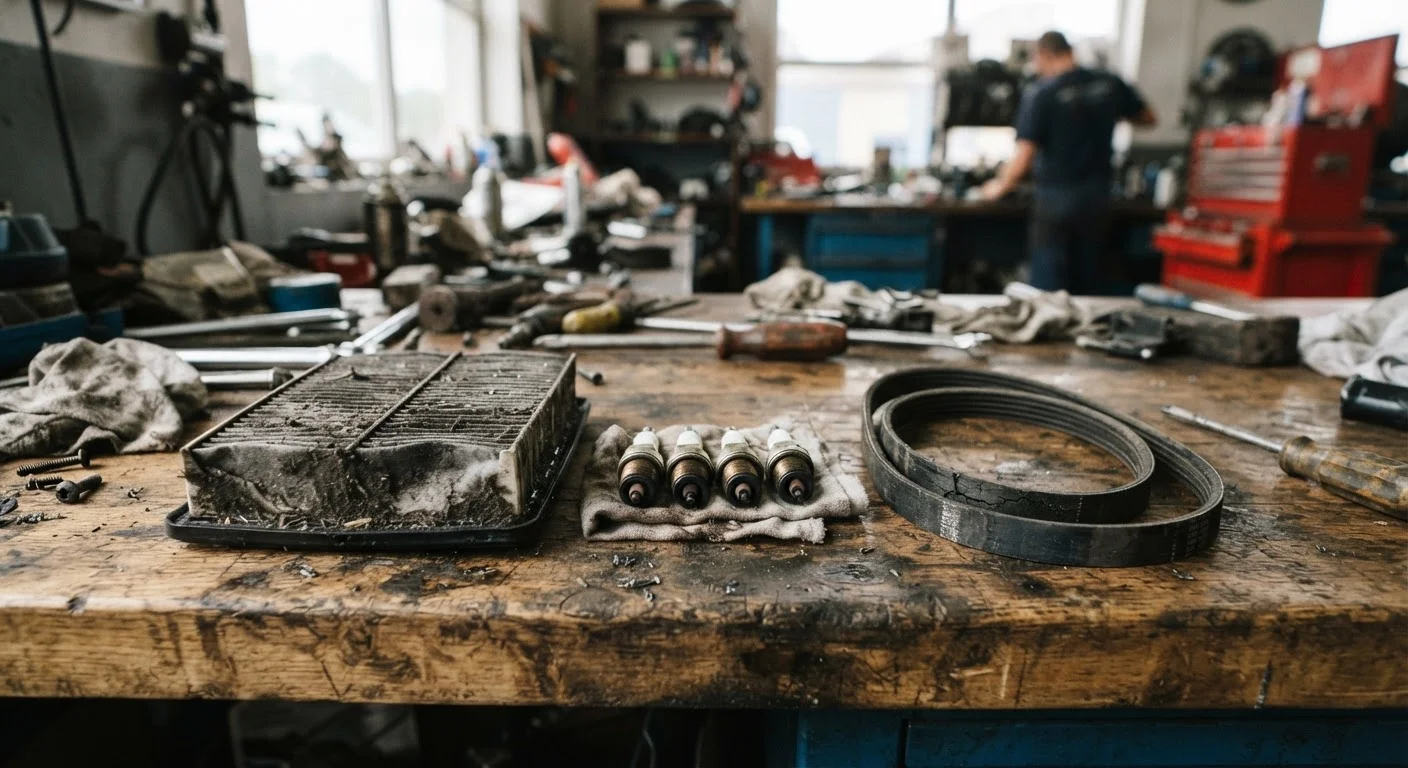
Inspect and replace rubber components - belts, hoses, and gaskets - on a time-based schedule, not mileage alone.
Rubber degrades through heat cycling and oxidation regardless of how many miles a vehicle has traveled. A timing belt on a 12-year-old vehicle may be due for replacement even if it hasn't hit the mileage threshold. Failures in these components can cause catastrophic engine damage with little warning.
Flush and replace transmission fluid and coolant according to your owner's manual - not just when problems appear.
Both fluids degrade chemically over time, losing their ability to protect components and regulate temperature. Old coolant becomes acidic and can corrode aluminum components; degraded transmission fluid increases heat and wear inside the gearbox. These are among the most commonly neglected fluids in high-mileage vehicles.
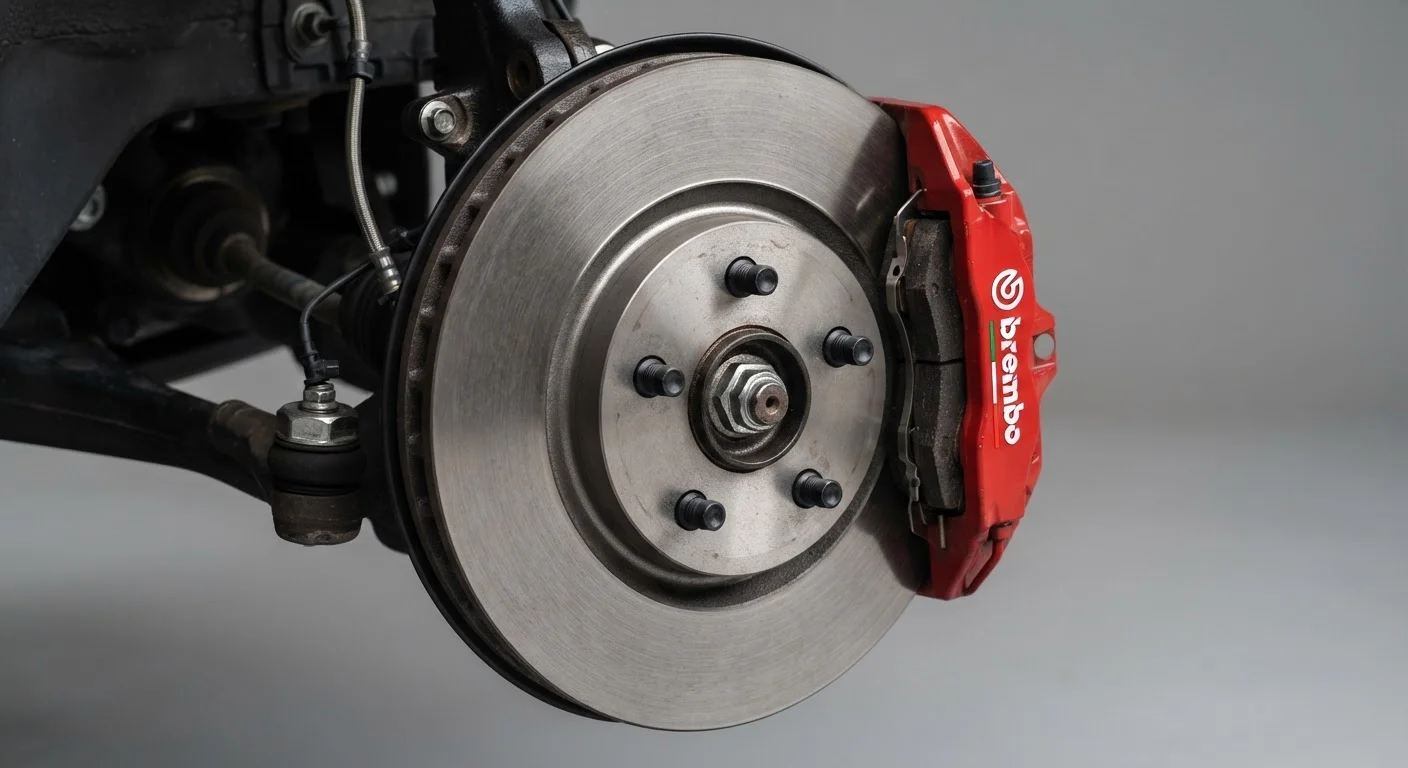
Have the suspension and steering components inspected annually, paying attention to bushings, ball joints, and tie rod ends.
Worn suspension components don't just affect ride quality - they accelerate tire wear, compromise steering precision, and can create unsafe handling conditions. These parts wear gradually, so drivers often don't notice deterioration until it's significant. Annual inspections catch progression before it becomes a safety concern.
Monitor and maintain the cooling system with particular attention to the thermostat and water pump.
Overheating is one of the fastest ways to destroy a high-mileage engine. The thermostat and water pump are high-wear items that become more failure-prone with age and heat cycles. Catching a failing water pump - often signaled by weeping from the weep hole or unusual noise - before it fails completely prevents serious engine damage.
Quick Wins You Can Act on Today
Overhauling your entire maintenance routine at once isn't realistic for most owners. Start with high-impact actions that protect the most vulnerable systems on an aging vehicle.
It's also worth separating habit from necessity. Many owners continue practices rooted in outdated advice - the truth behind common car maintenance myths may surprise you and free up budget for what genuinely matters.
What to Expect from Long-Term Ownership Costs
~16 years
Average age of vehicles on U.S. roads
According to S&P Global Mobility data, the average age of light vehicles in operation in the United States has been climbing steadily, reflecting longer ownership cycles.
$9,000+
Estimated annual new car ownership cost
AAA's annual "Your Driving Costs" study consistently finds that new vehicle ownership - including depreciation, financing, and insurance - far exceeds the maintenance cost of a paid-off older car.
200,000+
Miles achievable with disciplined maintenance
Automotive longevity research and owner surveys suggest many modern vehicles can reliably reach 200,000 miles or more when maintained according to manufacturer schedules.
High-mileage ownership isn't free, but it's rarely more expensive than taking on a new car payment. The calculus favors keeping a paid-off vehicle running when maintenance costs remain predictable. Unexpected repairs become the real threat - which is why proactive inspection habits matter more than reactive fixes.
Understanding your car's maintenance schedule by mileage interval is one of the most practical ways to stay ahead of age-related wear rather than reacting to it. Owners who approach high-mileage vehicles with a plan - rather than hoping for the best - consistently report better outcomes and lower total costs over time.
When Repair Costs Outpace Value
There's a practical threshold where continued investment in a high-mileage vehicle stops making financial sense. A common rule of thumb - though not a guarantee - is to reconsider when a single repair exceeds the vehicle's current market value or represents more than a year's worth of car payments. A mechanic's honest assessment of overall vehicle condition is more informative than mileage alone when making this call.