
Why Car Maintenance Myths Persist
Automotive advice travels fast - from parents to kids, from forums to shop waiting rooms. The problem is that much of it was formed when cars worked very differently. Carbureted engines, bias-ply tires, and single-weight motor oils are relics, yet the maintenance rules written around them keep circulating as if nothing has changed.
The result? Millions of drivers spend money they don't need to spend and skip services that genuinely matter. Separating persistent myth from sound, current guidance starts with understanding why these beliefs took root in the first place. For a broader look at organizing what your car actually needs, see our practical maintenance schedule guide.
Myth
You must change your oil every 3,000 miles or you'll damage your engine.
Fact
Most modern vehicles with full-synthetic oil are engineered for intervals of 7,500 to 10,000 miles or more - consult your owner's manual for your specific vehicle.
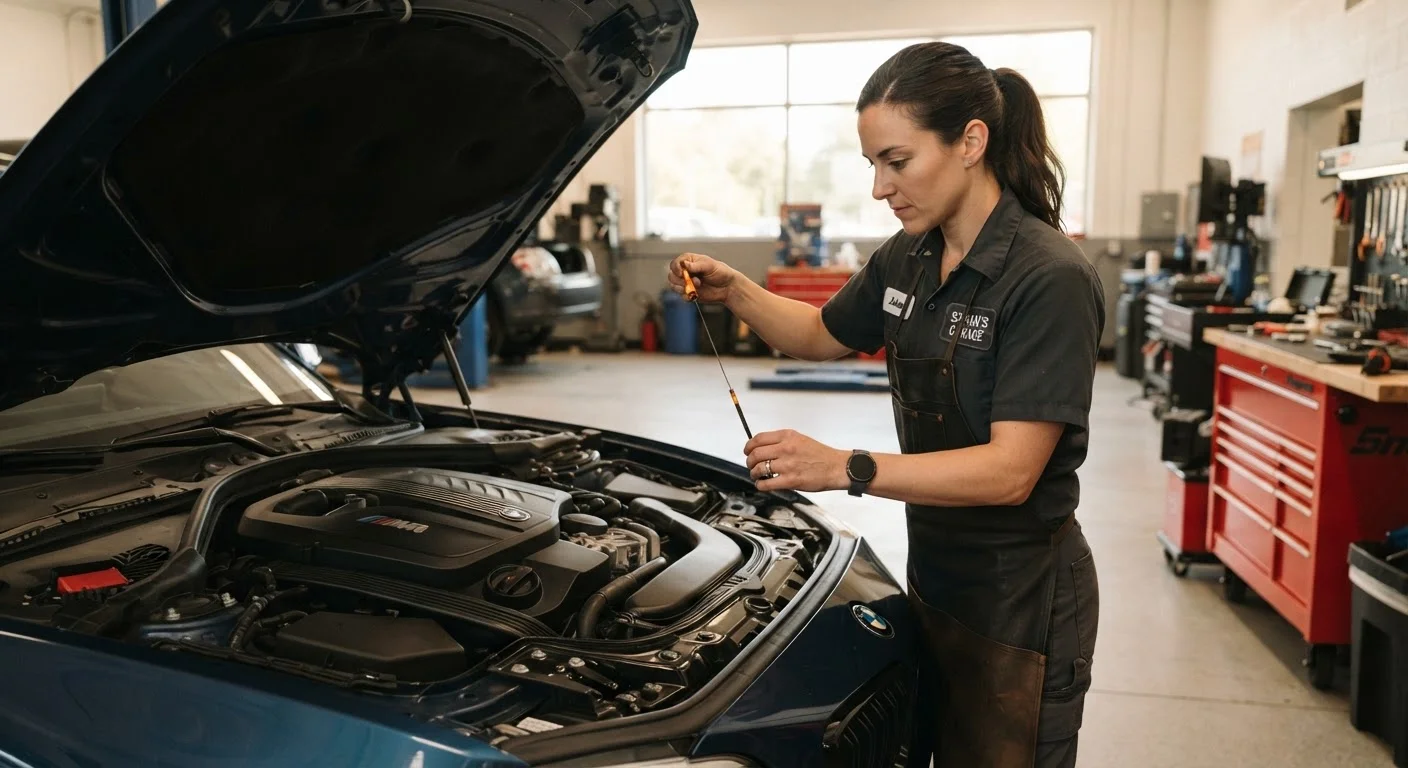
The 3,000-mile rule dates to an era of conventional oils and older engine designs. Today's synthetic formulations maintain their protective properties far longer. The manufacturer interval printed in your owner's manual reflects actual engineering testing for your specific engine. Changing oil more frequently than required wastes money and generates unnecessary waste oil without providing meaningful additional protection. For a deeper look at oil types, see our synthetic vs. conventional oil breakdown.
Myth
You should let your engine idle for several minutes in winter before driving.
Fact
Fuel-injected engines - standard on virtually all vehicles sold since the late 1980s - warm up faster and more efficiently under a light driving load than they do sitting still.
Extended idling made sense for carbureted engines that needed time to reach stable fuel mixture ratios. Modern fuel injection systems adjust automatically. Prolonged cold idling actually washes oil off cylinder walls, increases fuel consumption, and in some cases can push unburned fuel past piston rings. A brief 30-second idle before pulling out gently is reasonable in extreme cold; anything beyond that is counterproductive for the engine and your fuel economy.
Myth
Premium gasoline gives every car better performance and protects the engine.
Fact
Premium fuel only benefits engines specifically engineered to require or recommend it. Using it in a standard engine provides no measurable advantage.
Higher-octane fuel resists pre-ignition (sometimes called engine knock) at higher compression ratios. Engines designed around regular-grade fuel - the majority of passenger vehicles on the road - cannot take advantage of that resistance. Your owner's manual will state clearly whether your engine requires premium or merely recommends it. For engines that require it, using a lower grade can cause long-term damage; for all others, you're paying a premium for no engineering benefit.
Myth
Inflate your tires to the maximum PSI printed on the sidewall.
Fact
The sidewall number is the maximum the tire can safely hold - not the recommended pressure for your vehicle. Use the figure on your door jamb sticker or in your owner's manual.
Overinflated tires create a smaller contact patch with the road, reducing grip and making the ride harsh. They also wear unevenly down the center tread. The correct pressure is vehicle-specific, accounting for weight distribution and suspension geometry - not tire-specific. Check pressure when tires are cold (before driving or after the car has sat for at least three hours) for an accurate reading. Maintaining proper pressure directly affects handling, braking distance, and tire longevity.
Myth
You must use the dealership for all maintenance to keep your warranty valid.
Fact
Under federal law in the United States, manufacturers generally cannot void a warranty simply because you had maintenance performed at an independent shop, as long as the work meets manufacturer specifications.
The Magnuson-Moss Warranty Act provides consumer protections that prevent manufacturers from tying warranty coverage to exclusive use of dealership service in most circumstances. Independent mechanics and owner-performed maintenance using the correct fluids and parts are typically sufficient to maintain warranty coverage. Keep your service records - receipts, mileage, dates, and parts used - as documentation. When in doubt about warranty specifics, review the written warranty document or consult a consumer protection resource rather than relying on verbal dealership claims.
What Your Owner's Manual Actually Says
The single most underused resource in car ownership is the owner's manual sitting in the glove box. Manufacturers spend significant engineering resources determining exact service intervals for each powertrain - intervals that account for oil chemistry, engine tolerances, and real-world driving patterns. Those intervals are the authoritative source, not a quick-lube shop's windshield sticker.
If your manual specifies an oil change every 7,500 or 10,000 miles with full-synthetic oil, changing it at 3,000 miles isn't extra protection - it's an unnecessary expense. Conversely, skipping intervals your manual flags as critical genuinely shortens component life. Our car maintenance schedule explainer walks through what each service milestone actually covers.
7,500-10,000 mi
Typical synthetic oil change interval
Many automakers specify this range for vehicles using full-synthetic motor oil under normal driving conditions - check your owner's manual for your exact interval.
~30 sec
Recommended cold-weather idle time
Automotive engineers generally suggest a brief idle before driving gently in extreme cold - not the multi-minute warm-ups common in older driving habits.
The same principle applies to fluids. Coolant, brake fluid, and transmission fluid all have manufacturer-specified replacement intervals that most drivers overlook entirely. Checking these fluids yourself is straightforward and gives you an early warning before a minor issue becomes expensive.
Putting It Into Practice
Correcting these myths isn't just about saving money on unnecessary services - it's about directing attention to maintenance that genuinely matters. Tire pressure, for instance, affects safety, fuel economy, and how evenly your tires wear. Our tire care basics guide explains exactly what to check and how often.
Don't Skip Safety-Critical Services
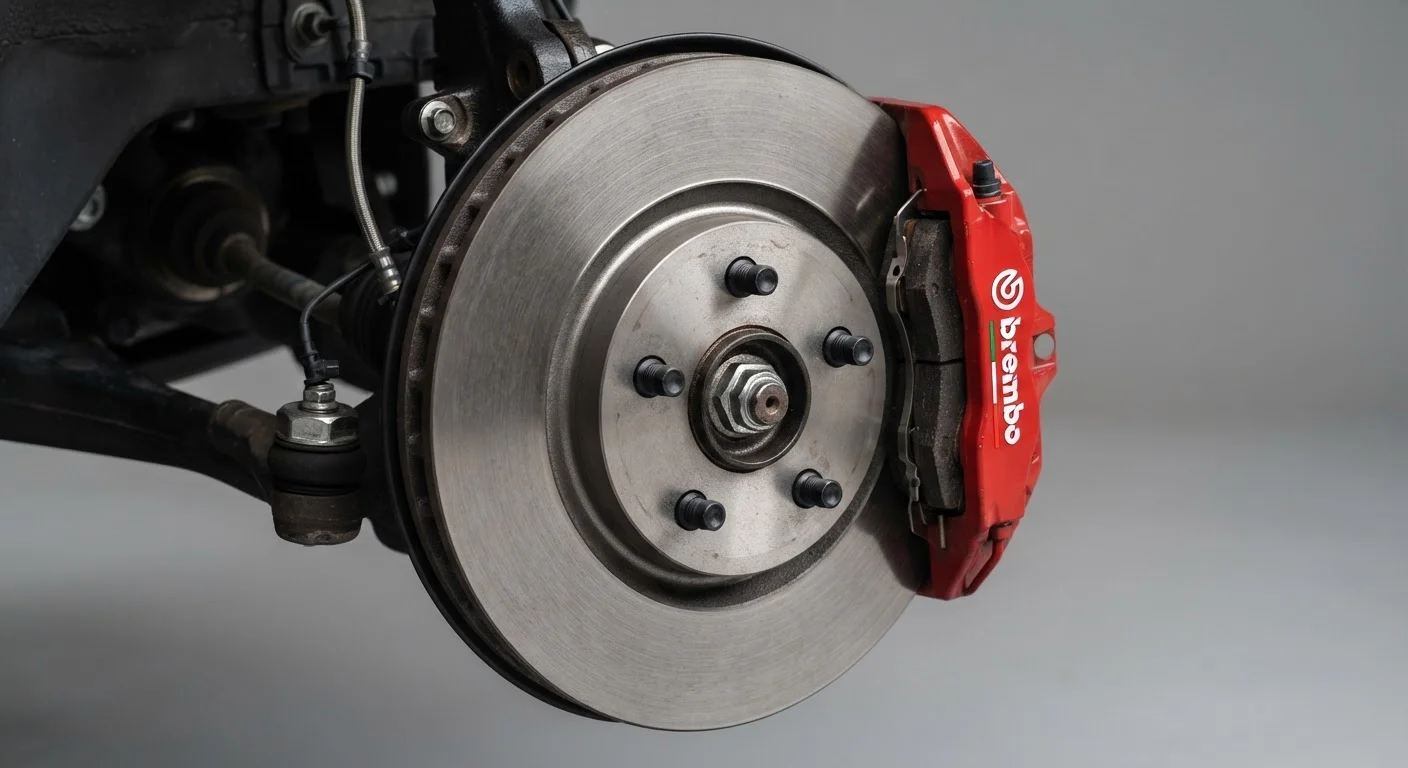
Debunking overblown maintenance advice doesn't mean all recommended services are optional. Brake inspections, tire rotations, and coolant flushes at manufacturer-specified intervals directly affect vehicle safety and should not be deferred. If a service is listed as required in your owner's manual, treat it as non-negotiable. When a task involves brake components, suspension, or anything you're unsure about, have a qualified mechanic evaluate it.
For drivers managing higher-mileage vehicles, myth-busting matters even more. The right oil viscosity, actual coolant condition, and honest brake inspections carry more weight than blanket rules. Our coverage on keeping a high-mileage car reliable digs into what really moves the needle past 100,000 miles. Build your habits around your manual and verified facts - not inherited guesswork.