
Choosing the Right Spot
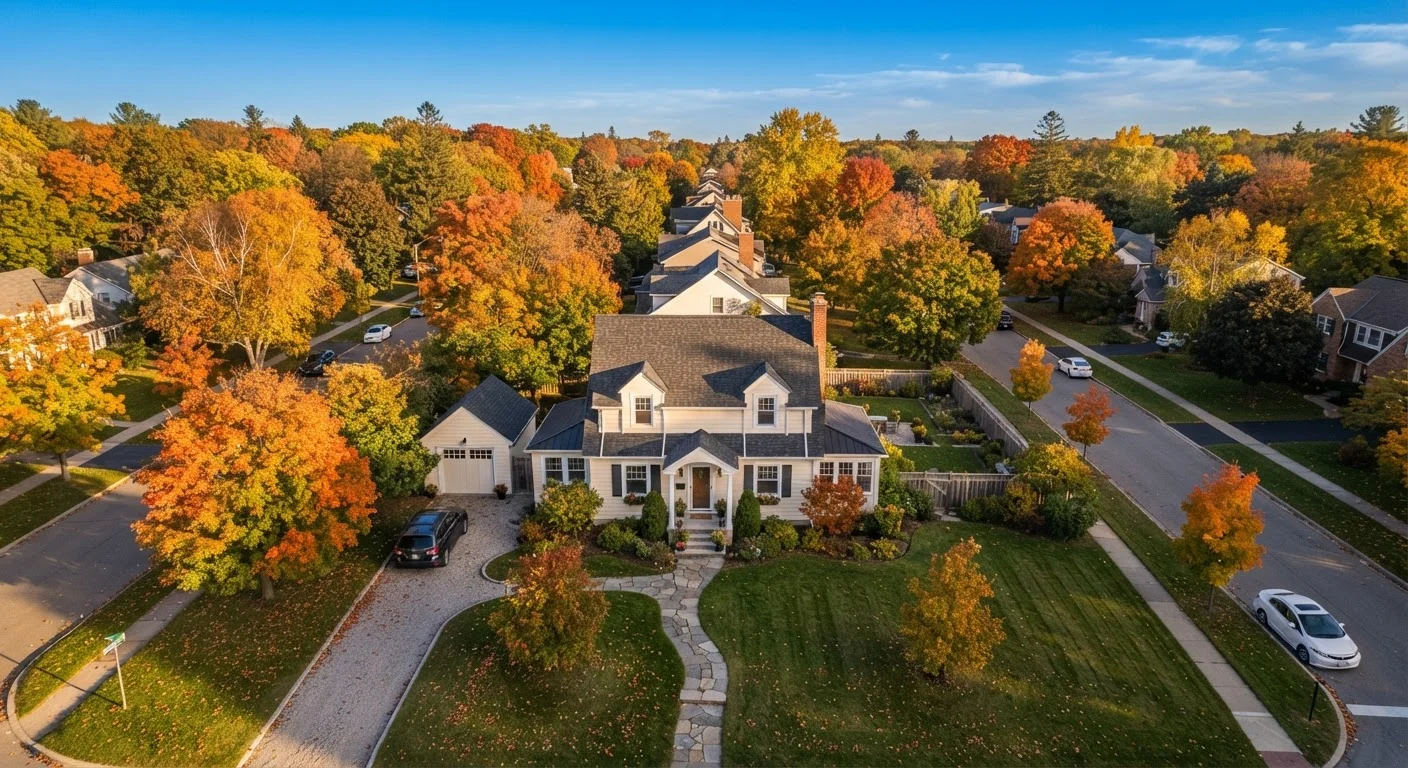
Before you buy a single seed packet, spend a few days observing your yard. The most important variable in vegetable gardening is sunlight - most food crops require a minimum of six hours of direct sun daily, and eight hours is better. Walk your yard at different times and note where shade falls from trees, fences, or the house itself.
Beyond light, consider these factors:
- Drainage: Avoid low spots where water pools after rain. Roots need oxygen, and waterlogged soil suffocates them.
- Proximity to water: You'll water frequently, especially in summer. A spot close to an outdoor spigot reduces friction.
- Level ground: Sloped areas cause water to run off before it soaks in. Gentle slopes can be managed; steep grades are worth avoiding for a first garden.
- Distance from large trees: Tree roots compete aggressively for water and nutrients, and tree canopies block sunlight.
If your yard has limited sun or poor drainage everywhere, container gardening is a practical alternative. See our guide on container gardening on patios and balconies for what grows well in pots. And if you're thinking about your backyard more broadly, outdoor living space planning can help you sequence your projects wisely.
Compost
Decomposed organic matter - leaves, food scraps, plant material - that improves soil structure and feeds beneficial microorganisms. It's the most universally useful soil amendment for vegetable gardens.
Direct sow
Planting seeds directly into outdoor garden soil rather than starting them indoors first. Many vegetables, like beans and radishes, prefer to be direct-sown.
Transplant
A seedling started in a container (often indoors or at a nursery) and then moved into the garden. Tomatoes, peppers, and eggplant are commonly sold as transplants.
Frost date
The average date of the last spring frost or first fall frost in your area. Planting timing for most vegetables is calculated relative to these dates.
pH (soil)
A measure of how acidic or alkaline your soil is, on a scale from 0 to 14. Most vegetables grow best in a range of about 6.0 to 7.0 (slightly acidic to neutral).
Bolting
When a plant shifts energy from producing leaves or fruit into producing flowers and seeds, usually triggered by heat or long days. In crops like lettuce, bolting makes the leaves bitter and signals the end of the harvest window.
Understanding and Preparing Your Soil
Soil is where most first-time gardeners underinvest - and where success is actually decided. Good vegetable garden soil is loose, drains well, holds some moisture, and is rich in organic matter. Most American backyards have native soil that needs improvement before it will support productive food crops.
Start by assessing what you have. Grab a handful of moist soil and squeeze it. If it crumbles apart when you open your hand, drainage is good. If it holds a tight, slick ball, your soil has high clay content and compacts easily. Sandy soil that falls apart completely drains too fast and holds little nutrition.
The fix for nearly every soil type is the same: add compost. Work 3-4 inches of finished compost into the top 8-10 inches of your garden bed before planting. Compost improves drainage in clay soils, adds water retention to sandy soils, and feeds the microbial life that makes nutrients available to plants.
A basic soil pH test (available at most garden centers) is worth the few minutes it takes. Vegetables generally prefer a slightly acidic to neutral pH range of about 6.0-7.0. If your soil is far outside that range, your local cooperative extension service can advise on amendments - lime to raise pH, sulfur to lower it.
Raised Beds Make Soil Control Easier
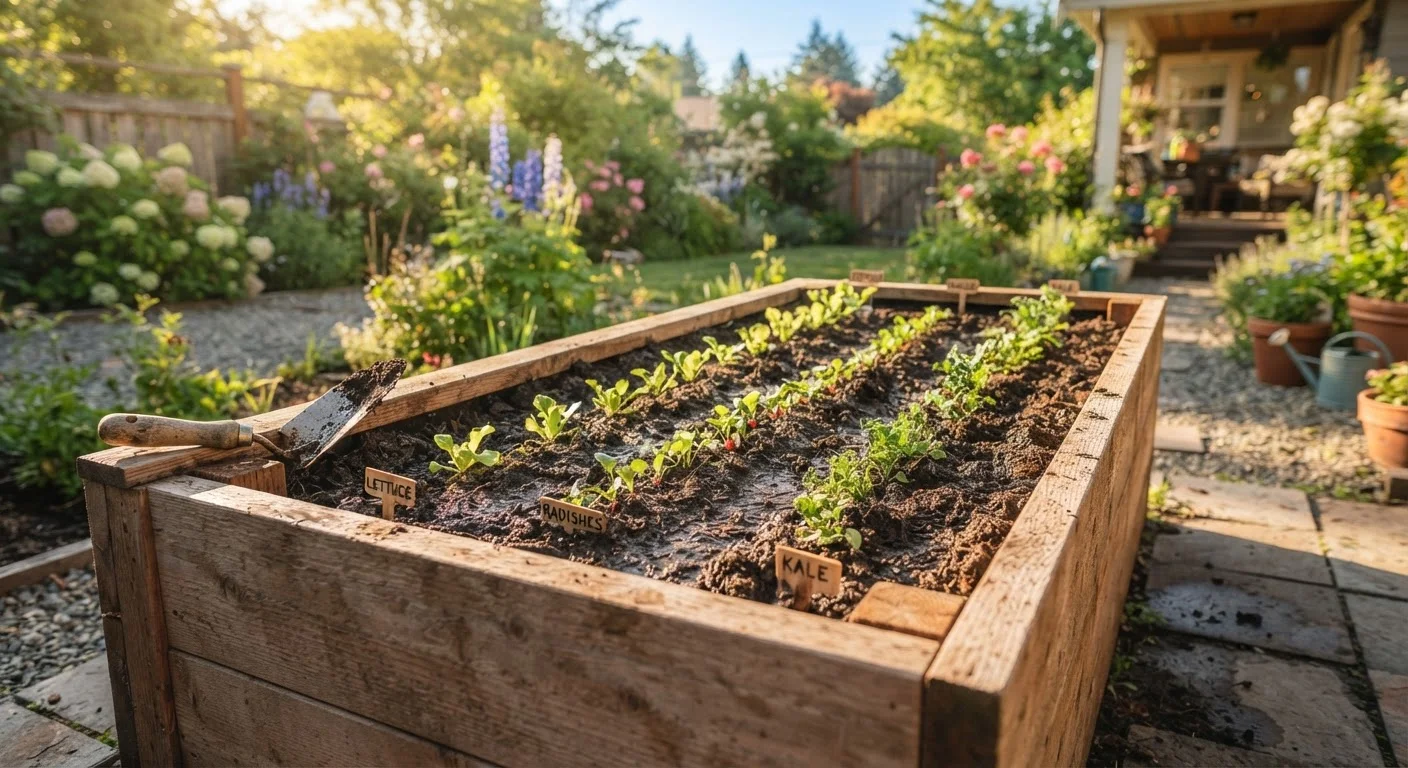
If your native soil is heavily compacted or clay-rich, consider building or buying a simple raised bed frame and filling it with a mix of topsoil and compost. Raised beds warm up faster in spring, drain better, and let you sidestep poor native soil entirely - a meaningful advantage in your first year.
Picking Plants That Actually Work for Beginners
The most common beginner mistake is planting too much variety and too much quantity. A focused first garden - perhaps five to eight types of vegetables - gives you manageable experience without overwhelming maintenance.
Reliable beginner crops include:
- Lettuce and salad greens: Fast-growing, tolerant of partial shade, and harvestable in as little as 30 days. Sow seeds directly in the ground.
- Radishes: Ready in three to four weeks; great for impatient first-timers and useful as row markers between slower crops.
- Bush beans: Direct-sow, low-maintenance, and productive. They fix nitrogen in the soil as a bonus.
- Zucchini and summer squash: Prolific producers that germinate easily and tolerate minor neglect.
- Cherry tomatoes: More forgiving than large slicing tomatoes and quicker to ripen. Buy transplants rather than starting from seed your first year.
- Herbs (basil, chives, parsley): Take up little space, are highly useful in the kitchen, and build confidence quickly.
Once you're comfortable with the basics, explore how plants can support each other. Our article on companion planting covers what the evidence actually shows about growing plants together for pest control and better yields.
USDA Plant Hardiness Zone Map
Find your hardiness zone by ZIP code to understand your local frost dates and growing season length. This is the starting point for all planting timing decisions.
Your State Cooperative Extension Service
Free, region-specific vegetable gardening guides, soil testing services, and planting calendars tailored to local conditions. Search '[your state] cooperative extension vegetable garden' to find your local office.
Seed Saving and Planting Calendar Template
A simple calendar template helps you back-calculate indoor start dates, transplant windows, and expected harvest times based on your local last-frost date.
Planting, Watering, and First-Season Care
Each seed packet or transplant tag lists the recommended spacing and depth - follow these. Crowded plants compete for light and air circulation, which promotes disease. When in doubt, err on the side of more space, not less.
Watering: Aim for about one inch of water per week, delivered deeply and less frequently rather than shallowly every day. Deep watering encourages roots to grow downward where soil stays more consistently moist. Water at the soil level rather than overhead when possible - wet foliage invites fungal disease. Early morning is the best time to water.
Mulching: After planting, apply 2-3 inches of straw or wood chip mulch around (not on top of) your plants. Mulch suppresses weeds, retains soil moisture, and moderates soil temperature. It's one of the highest-impact, lowest-effort steps a new gardener can take.
Weeding: Small, young weeds pull easily. Check your garden weekly and remove weeds before they establish deep roots or set seed. A garden hoe makes quick work of weeds between rows.
Pests and disease: Inspect plants regularly. Many pest problems - aphids, caterpillars - can be managed by hand-picking when caught early. Remove and discard (don't compost) diseased plant material promptly to prevent spread.
What to Expect - and What to Learn - Your First Year
First-season gardens rarely go perfectly, and that's completely normal. You may lose a plant to pests, have a heat wave stress your lettuce into bolting, or discover your soil drains poorly in one corner. Each of these is information, not failure.
Keep a simple notebook or phone note for each growing season. Record what you planted, when, how each variety performed, and what you'd change. This informal garden journal becomes genuinely valuable - it's the fastest way to build site-specific knowledge that no general guide can give you.
At season's end, don't skip fall preparation. Clearing spent plants, adding compost, and protecting your soil through winter makes next spring dramatically easier. Our fall garden prep checklist walks through exactly what to do before the first frost.
The overarching lesson of a first vegetable garden is proportionality: start small, observe carefully, and build on what works. Many of the habits that make someone a good first-time gardener - patience, attention to detail, willingness to learn from setbacks - are the same habits described in our guide to starting home improvement projects from scratch. Both reward steady, informed effort over shortcuts.
Don't Plant Too Early - or Too Much
The two most common first-year mistakes are planting before the last frost date has passed and overplanting in enthusiasm. Cold soil stresses transplants and can kill seedlings; an overpacked garden is harder to maintain and more prone to disease. Check your local frost dates before putting anything in the ground, and resist the urge to fill every inch of space from day one.