
The Homeowner Mindset: Maintenance Before Improvement
Most new homeowners arrive with a renovation list in hand - a fresh coat of paint, maybe an updated kitchen backsplash. That enthusiasm is healthy, but the most important shift you can make early on is learning to think about maintenance first.
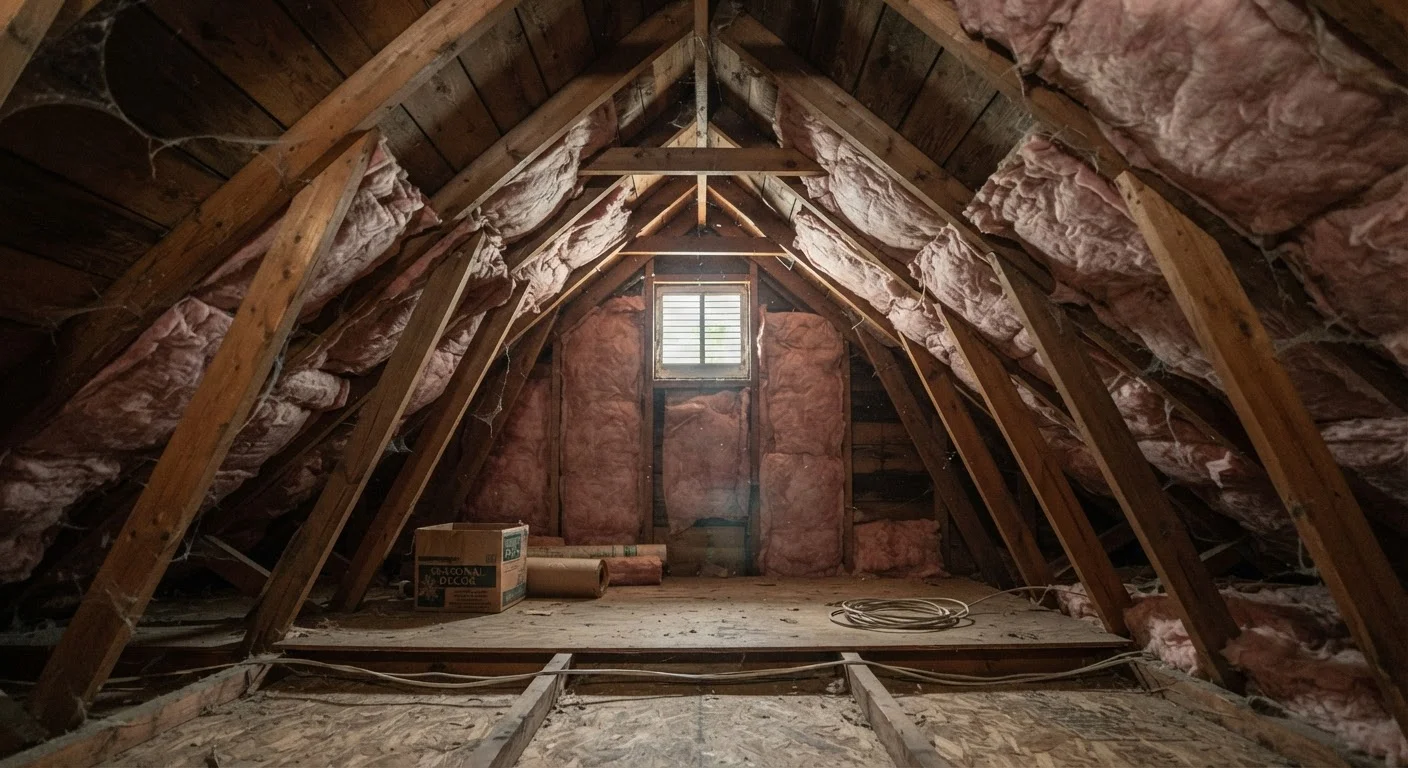
A home is a system of interconnected parts, and deferred maintenance compounds quietly. A small roof leak ignored for one season can mean rotted sheathing the next. A clogged dryer vent is more than an inconvenience - it's a fire hazard. Before any improvement project earns your time and budget, a basic maintenance audit of your home deserves priority.
Walk through each room and note anything that is damaged, missing, or not functioning as intended: weatherstripping gaps, caulk pulling away from the tub surround, a slow drain, flickering lights. This list isn't discouraging - it's your starting point. For a broader picture of what new homeowners should be tracking from day one, see your first year of homeownership checklist.
The home maintenance hub is also a reliable reference as you build ongoing upkeep habits.
Building Your Starter Toolkit
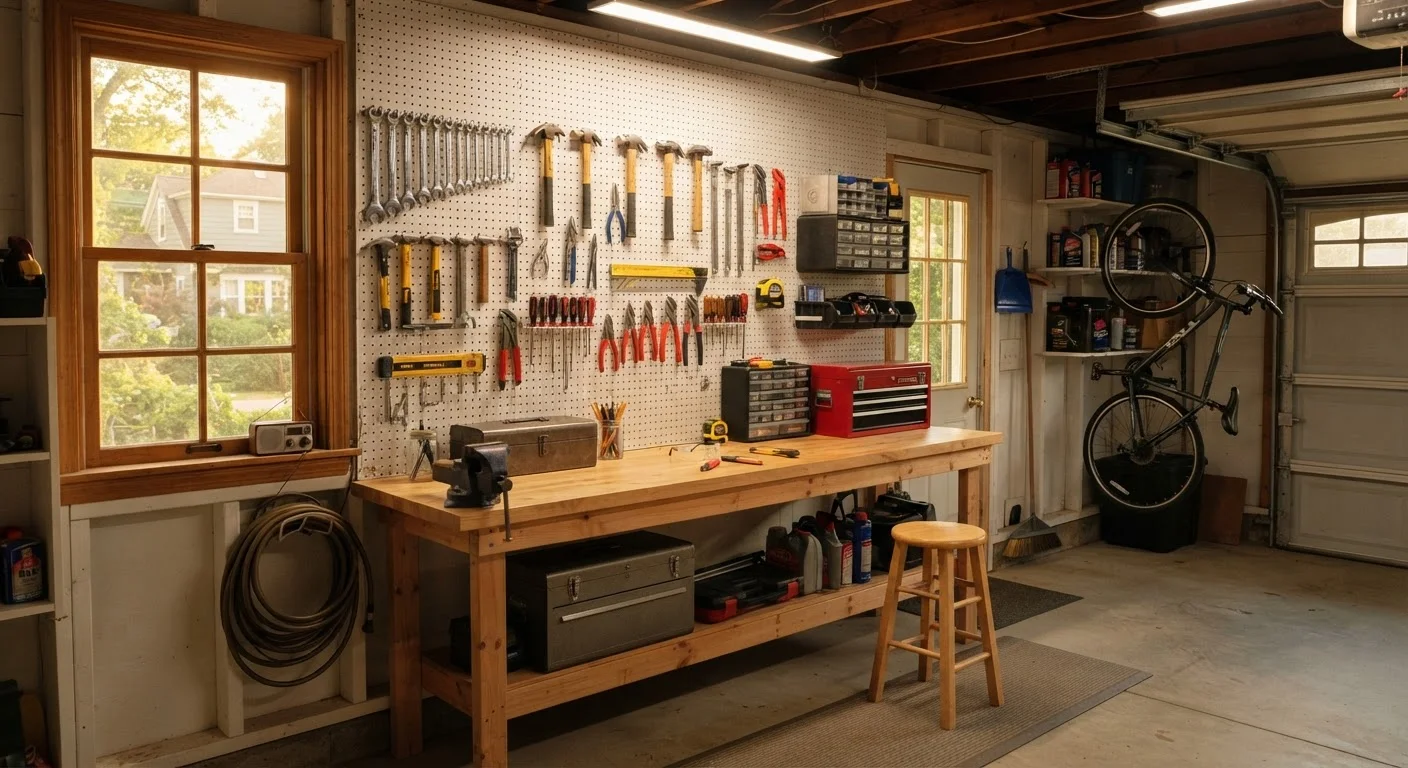
You don't need a truck full of tools to handle most beginner repairs. A focused set of quality hand tools will serve you far better than a large collection of rarely used items.
Deferred maintenance
Upkeep tasks that are postponed rather than handled promptly. Over time, small ignored issues tend to grow into larger, more expensive problems.
Rough-in
The early stage of a plumbing, electrical, or HVAC installation where pipes or wires are run through walls and floors before surfaces are finished.
Load-bearing wall
A wall that supports the weight of the structure above it. Removing or altering one without proper engineering guidance can compromise a home's structural integrity.
Building permit
Official approval from your local government to perform specific construction or renovation work, confirming the project will meet local safety codes.
Weatherstripping
Flexible sealing material applied around doors and windows to block drafts, moisture, and air leaks - improving comfort and energy efficiency.
Caulk
A flexible sealant used to fill gaps and joints around tubs, windows, doors, and trim to prevent water intrusion and air leakage.
Here's a practical starter list:
- Claw hammer - for driving and pulling nails
- Tape measure (25 ft.) - used in nearly every project
- Flathead and Phillips screwdrivers - multiple sizes
- Adjustable wrench - handles most plumbing fittings
- Utility knife - cutting drywall, flooring, caulk, and more
- 4-foot level - confirms surfaces and installations are true
- Cordless drill/driver - handles screws and light drilling with one tool
- Flashlight or headlamp - essential for crawl spaces, attics, and panels
Store tools in a designated spot so they're never missing when you need them mid-project. Quality matters more than quantity - a well-made screwdriver that lasts decades is more useful than a cheap set that strips after one use.
How to Prioritize Projects Wisely
With a maintenance audit complete and tools in hand, the question becomes: what comes first? A simple three-tier framework helps cut through the noise.
- Safety and hazards first. Smoke detector batteries, carbon monoxide detector function, tripping hazards, water intrusion, and any compromised structural element. These are non-negotiable.
- Functional systems second. HVAC filters, water heater maintenance, basic plumbing upkeep, and weatherization. These affect comfort, energy efficiency, and long-term cost.
- Cosmetic improvements last. Paint, fixtures, landscaping, and décor can wait until the home is structurally sound and the systems are healthy.
It's also worth thinking about the scope of what you're taking on before you commit. First-time renovators routinely underestimate timelines, which leads to budget overruns and unfinished rooms. Start with small, completable projects to build confidence and realistic expectations before tackling anything complex.
Start Small and Finish Completely
Choose your first few projects based on what you can realistically complete in a weekend. Finishing a small project - like recaulking a tub or replacing a door threshold - builds genuine confidence and teaches you how your home responds to basic repairs. Avoid starting multiple projects simultaneously until you have a few completions under your belt.
Knowing When to DIY and When to Call a Pro
One of the most valuable judgments a homeowner develops over time is knowing where their skill set ends and a licensed professional's begins. Getting this wrong can mean voided warranties, safety violations, or damage that costs significantly more to fix than the original problem.
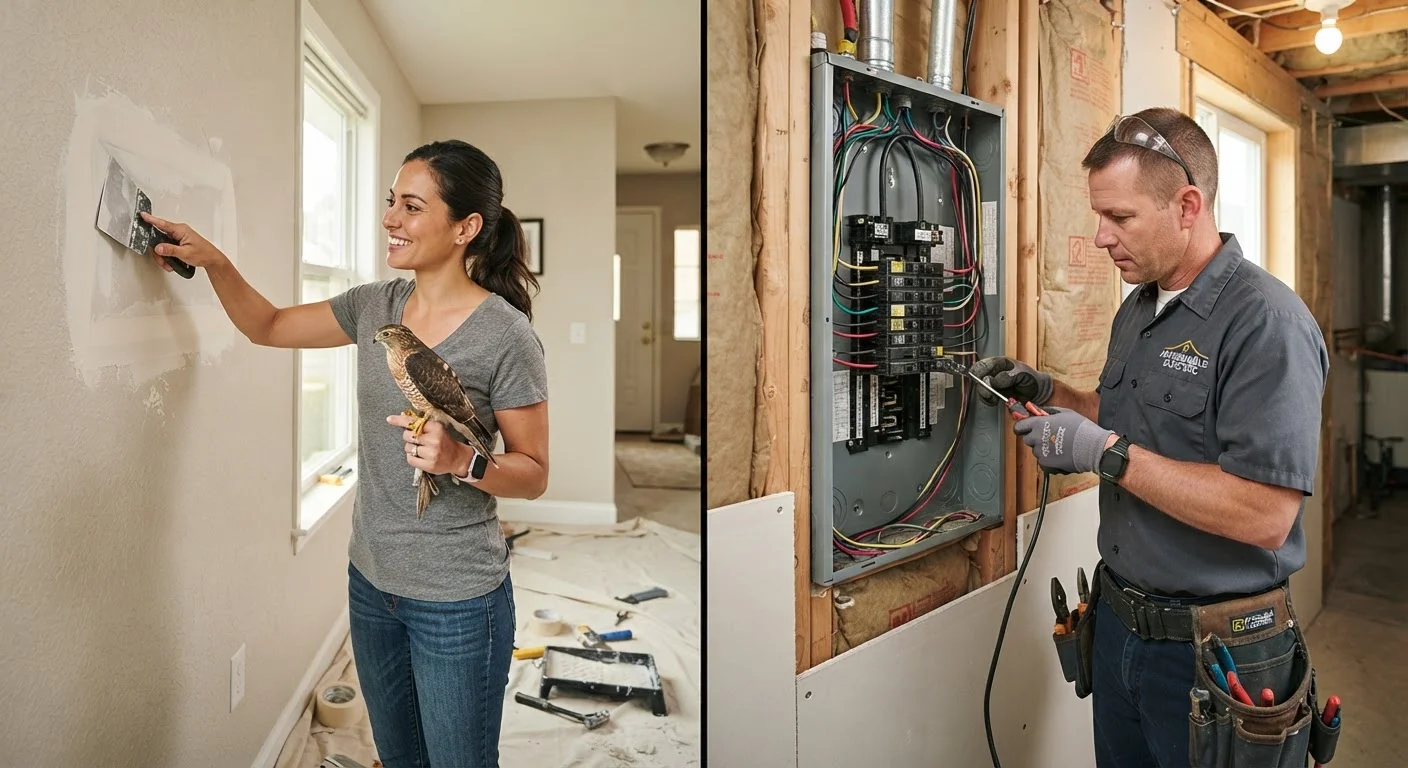
As a general rule, DIY is appropriate for tasks that are reversible, low-risk, and don't touch regulated systems. Painting, caulking, installing a new faucet, replacing switch plates, and basic landscaping fall into this category for most homeowners.
Work involving your electrical panel, gas lines, structural walls, roofing systems, or main sewer line is a different matter entirely. These areas involve hazards - electrical shock, gas leaks, structural collapse - and in many jurisdictions they legally require licensed tradespeople. For a thorough look at how to draw this line, see DIY vs. hiring a pro. And before any renovation that touches walls, read up on load-bearing vs. partition walls - a distinction that matters enormously.
Permits, Codes, and Why They Protect You
Permits feel like friction, but they exist for a specific reason: they ensure that work done on your home meets minimum safety standards verified by an independent inspector. Skipping them doesn't just put you at risk during the project - it can complicate your homeowner's insurance coverage and create serious problems when you sell the home.
Common projects that typically require permits include adding or moving electrical circuits, any plumbing work beyond fixture swaps, structural changes, HVAC system installations, and additions or accessory structures. Requirements vary significantly by municipality, so always check with your local building department before starting work - don't rely on a contractor's assurance that a permit isn't needed.
For a clear breakdown of which project categories commonly trigger permit requirements, this permit overview is a practical reference. And if you're preparing for a larger renovation down the road, managing a home renovation without losing your mind covers how to stay in control of more complex projects from planning through completion.
Starting with the right habits - auditing before upgrading, tooling up deliberately, and respecting the boundaries of safe DIY - sets every future project up for success.