
Why Fluid Checks Are the Simplest Form of Preventive Maintenance
Your vehicle depends on a network of fluids to lubricate moving parts, transfer heat, transmit force, and protect critical systems. When any one of those fluids drops too low or degrades, it can quietly set off a chain of damage that ends in an expensive repair-or a roadside breakdown. The good news is that checking most of them takes only a few minutes, no mechanical expertise required.
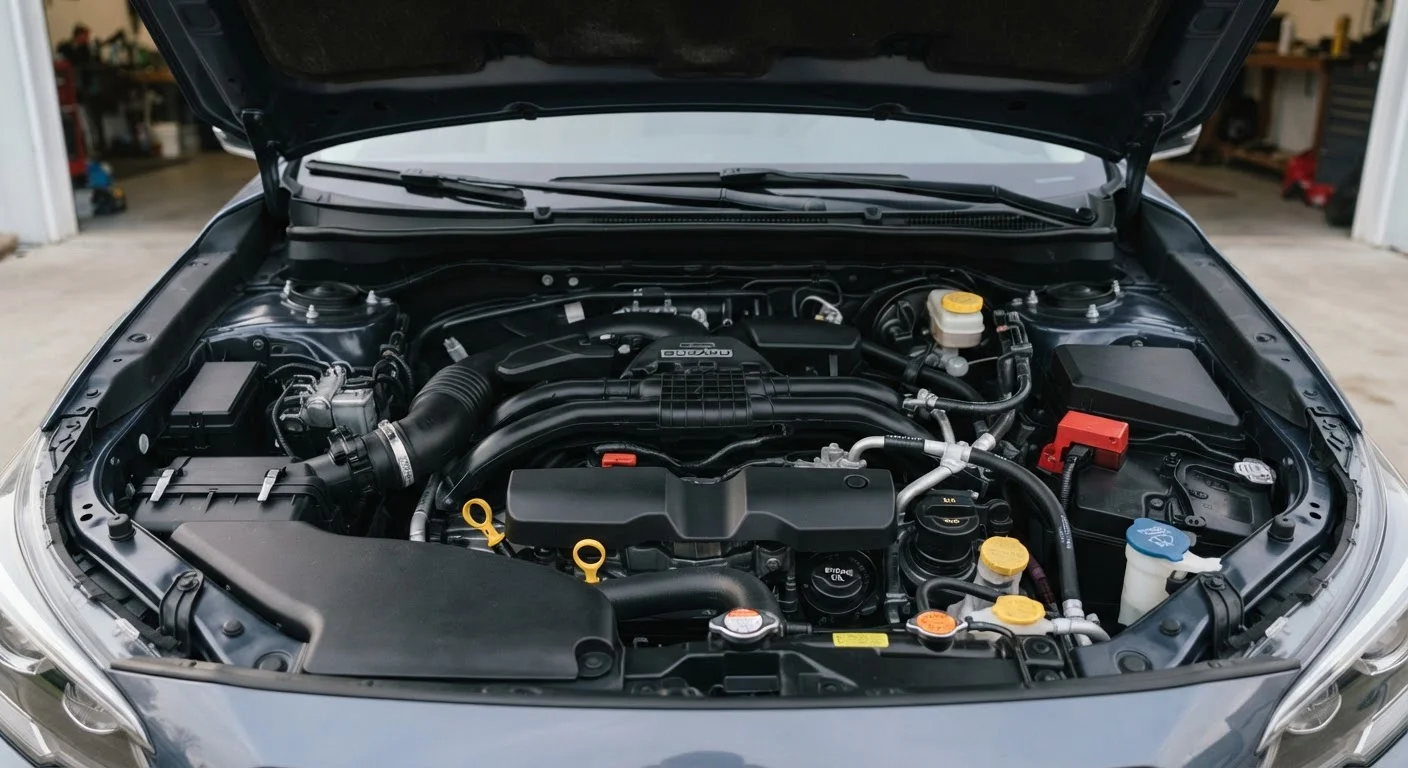
Before you pop the hood, always park on a level surface and let the engine cool down for at least 10-15 minutes. Hot engines and pressurized systems can cause burns. Keep a clean rag handy for wiping dipsticks, and have your owner's manual within reach-it identifies the exact reservoir locations and fluid specifications for your specific vehicle.
If you're evaluating a used vehicle and want to know what else to look for under the hood, see our pre-purchase inspection checklist for a broader walkthrough. And if your dashboard lights are already flashing, learn what your car's warning signs mean before you proceed.
Engine Oil
Engine oil is the most critical fluid in your vehicle. It lubricates internal moving parts, reduces friction-related heat, and helps carry contaminants away from engine surfaces. Without adequate clean oil, engine components wear rapidly and can seize entirely.
How to check it: Locate the oil dipstick (usually marked with a bright-colored handle), pull it out, wipe it clean, reinsert it fully, then pull it out again. The oil level should fall between the two marks at the bottom of the dipstick. Healthy oil is amber to light brown. If it's black and gritty, an oil change is overdue. Milky or frothy oil can indicate coolant contamination-have that evaluated promptly by a mechanic.
Black, gritty oil on the dipstick means an oil change is already overdue.
Coolant (Antifreeze)
Coolant regulates your engine's temperature-preventing overheating in summer and freezing in winter. It circulates through the engine and radiator, absorbing heat and dissipating it.
How to check it: Never open the radiator cap when the engine is hot. Instead, locate the translucent plastic coolant reservoir (usually labeled with a temperature symbol) and read the level against the MIN and MAX markings on the outside. Coolant is typically bright green, orange, or pink depending on the type. A low level or murky, rust-colored appearance warrants attention. Mixing coolant types can cause chemical reactions that degrade your cooling system-always use the type specified in your owner's manual.
Never open the radiator cap on a hot engine-pressure can cause serious burns.
Brake Fluid
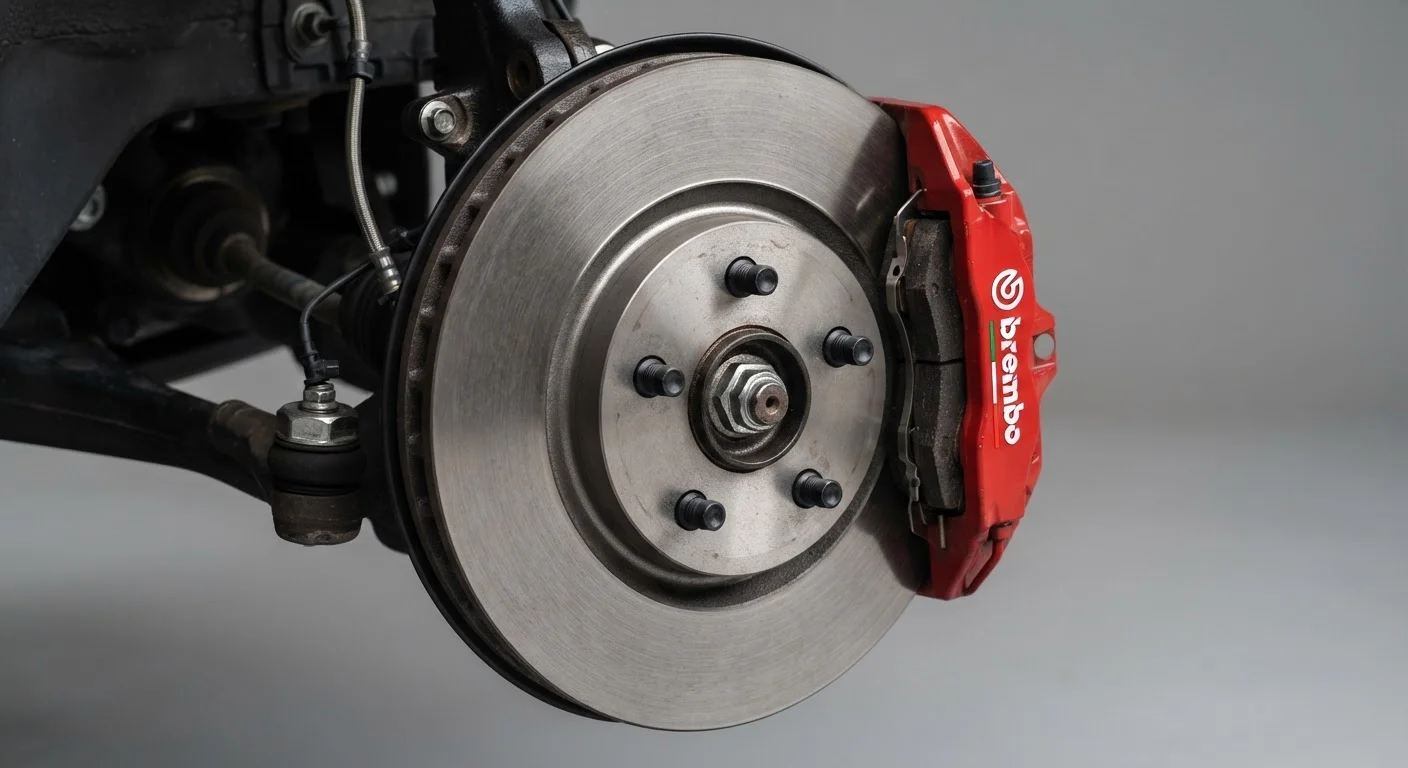
Brake fluid transmits the hydraulic force from your brake pedal to the brake components at each wheel. It's a safety-critical fluid-low or degraded brake fluid directly affects your ability to stop the vehicle.
How to check it: The brake fluid reservoir is a small translucent plastic container near the firewall on the driver's side. Check the level against the MIN/MAX lines without opening the cap. Healthy brake fluid is nearly clear to light yellow. Dark brown fluid indicates it has absorbed moisture over time and should be flushed. Brake fluid is hygroscopic (meaning it absorbs water from the air), which lowers its boiling point and reduces braking performance. For a deeper explanation of how fluid fits into your overall braking system, see our guide on how brakes work together.
Dark brown brake fluid has absorbed too much moisture and needs to be flushed.
Power Steering Fluid
Power steering fluid keeps your steering responsive and easy to operate. If it's low, you may notice stiff steering, whining sounds when you turn, or a delayed response from the wheel.
How to check it: Many vehicles have a dedicated power steering reservoir-a small container with a cap marked with a steering wheel icon-near the front of the engine. Some have a dipstick attached to the cap; others rely on MIN/MAX lines on the reservoir. Note that many newer vehicles use electric power steering and don't have this fluid at all-check your owner's manual to confirm. Healthy fluid is clear to light pink or amber. Foamy or dark fluid can indicate contamination or air in the system.
Whining when you turn the wheel is a common early sign of low power steering fluid.
Transmission Fluid
Transmission fluid lubricates the gears, clutch packs, and other internal components of your transmission. It also helps cool the transmission and enables smooth gear shifts. Low or degraded fluid is a leading cause of costly transmission failures.
How to check it: On vehicles with a transmission dipstick (typically automatic transmissions), the process is similar to checking engine oil-but many manufacturers specify checking it with the engine warm and running in Park. Some modern vehicles have sealed transmissions with no dipstick; in those cases, checking fluid level requires a lift and is best left to a mechanic. Healthy transmission fluid is red and slightly translucent. Dark brown or burnt-smelling fluid is a warning sign.
Burnt-smelling or dark transmission fluid signals it's time for a fluid change or inspection.
Windshield Washer Fluid
Windshield washer fluid is the one fluid on this list with no mechanical consequence if it runs low-but it's a genuine safety issue. A dirty windshield obscures your vision, particularly at night or in low-angle sunlight.
How to check it: The washer fluid reservoir is typically a large plastic tank with a windshield/wiper symbol on the cap. It's one of the easiest to refill. Use purpose-made washer fluid rather than plain water-it contains detergents that cut through road grime and insects, and formulations rated for freezing temperatures prevent the lines from icing up in cold weather. Plain water can also cause mineral buildup and may freeze in the reservoir or nozzles.
Plain water in the washer reservoir can freeze, cause mineral buildup, and won't clean effectively.
Making Fluid Checks a Regular Habit
A good rule of thumb is to check engine oil monthly and the remaining fluids every three months or whenever your seasons change. Weather extremes put extra demand on coolant, brake fluid, and washer fluid, making seasonal maintenance checks especially worthwhile.
Build a Simple Under-Hood Routine
Pick one consistent time to run through your fluid checks-such as the first of each month or when you fill your gas tank. Keeping a small notepad in your glove compartment to log levels and dates helps you spot trends, like a fluid that keeps dropping, before they become urgent. Your owner's manual is the authoritative source for check intervals and approved fluid specifications.
If you discover a fluid that consistently runs low between checks, that's a signal worth investigating-not just topping off. Persistent loss may indicate a slow leak, a worn seal, or a component under stress. A qualified mechanic can diagnose the source before minor fluid loss becomes major mechanical damage. For more on separating routine upkeep from urgent repairs, read our breakdown of common car maintenance myths.