
Soil Control: The Central Trade-Off
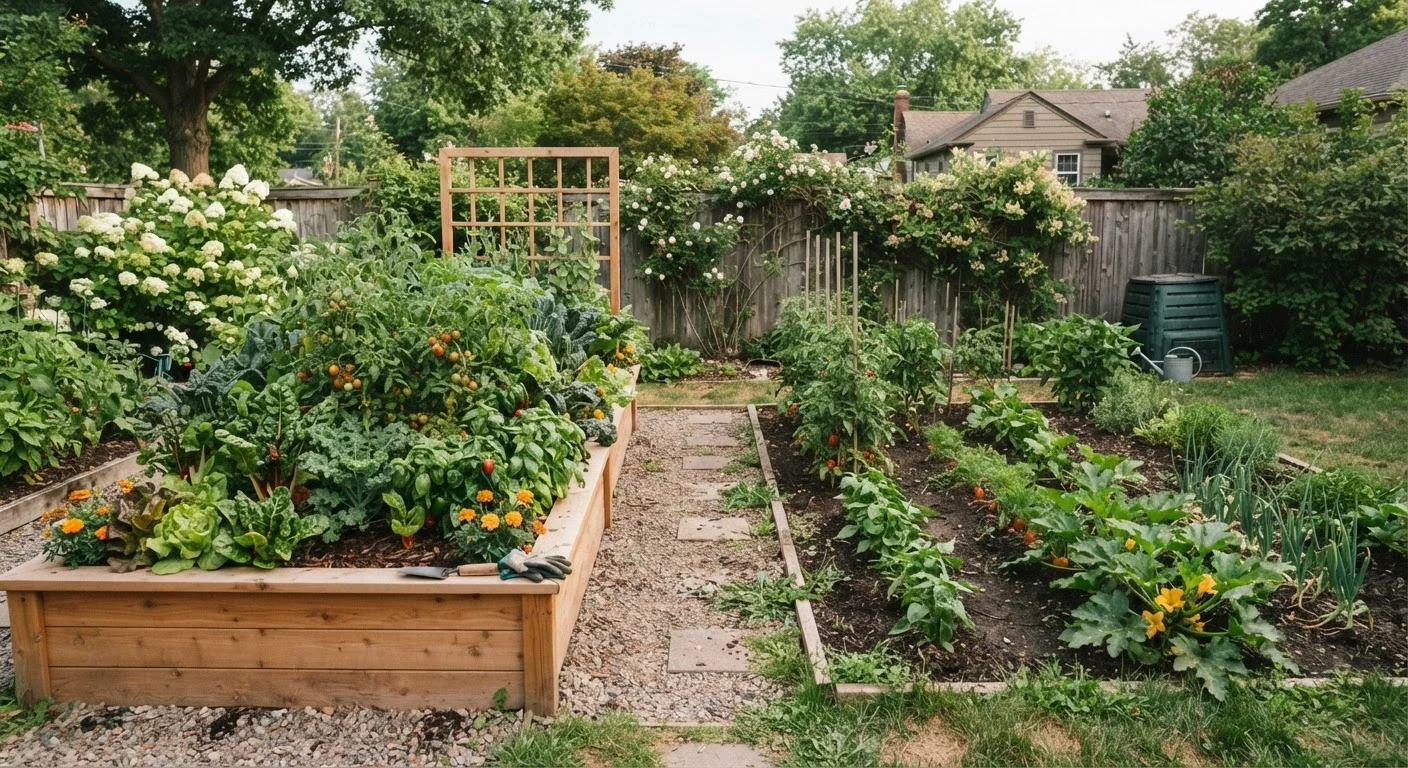
The most fundamental difference between raised beds and in-ground planting is how much control you have over growing conditions. In a raised bed, you supply the growing media - typically a blend of compost, topsoil, and a material like perlite or coarse sand for drainage. You know exactly what your plants are growing in, and you can adjust it season to season.
In-ground planting means working with what's already there. If your native soil is fertile loam, that's a genuine advantage - you're tapping into an established ecosystem with beneficial organisms, natural structure, and moisture-holding capacity built up over time. But most American yards present more complicated soil: compacted subsoil brought to the surface during construction, heavy clay that drains poorly, sandy soil that dries out fast, or in older neighborhoods, potential contamination from lead paint or historical land use.
Improving in-ground soil is absolutely possible. Regularly incorporating compost, avoiding compaction by not working wet soil, and using mulch all move native soil toward better structure over time. See our guide to soil amendments for a practical breakdown of what helps and when. But that improvement is gradual - raised beds let you start with good conditions on day one.
| Criterion | Raised Beds | In-Ground Planting |
|---|---|---|
| Upfront cost | Moderate to high (materials + fill) | Low (amend existing soil) |
| Soil quality control | Full control from day one | Depends on native soil |
| Drainage | Excellent by design | Varies by site and soil type |
| Spring warm-up | Faster - extends growing season | Slower; steadier temperatures |
| Scalability | Limited by cost and space | Easily expanded |
| Accessibility | High when built at correct height | Requires bending and kneeling |
| Weed pressure | Lower initially | Higher; depends on site history |
| Suitable plant types | Vegetables, herbs, annuals | All types, including trees and shrubs |
Cost, Setup, and Long-Term Investment
In-ground gardening has a clear cost advantage at the start. Clearing a patch of lawn, loosening the soil, and adding a few bags of compost is a modest investment. As your plot grows, that advantage compounds - there's no material to buy, no structure to build or eventually replace.
Raised beds require upfront spending on materials. Lumber, composite boards, galvanized metal, or stone all have purchase and labor costs, and most materials will need maintenance or eventual replacement over years of exposure. Filling a bed with quality growing media adds further cost, particularly for larger or deeper beds.
That said, raised beds can reduce spending in other areas. Because the growing space is defined, weeds from surrounding areas have a harder time encroaching. Concentrated planting in a smaller, well-prepared space can actually produce meaningful harvests from a compact footprint. For a complete look at planning a productive first season, this first-season walkthrough covers setup costs and expectations honestly.
6-8 in.
Minimum recommended raised bed depth for most vegetables
University extension guidelines generally suggest at least 6 inches of growing media for shallow-rooted crops; root vegetables benefit from 12 inches or more.
2-4 weeks
Earlier planting possible in raised beds in cooler climates
Gardening educators commonly note that raised beds can warm to plantable temperatures meaningfully earlier than in-ground soil in USDA zones 4-6.
Drainage, Warmth, and the Growing Season
Raised beds drain faster than in-ground beds by design - water moves through the growing mix and exits below. This is a significant benefit in wet climates or on sites where water pools after rain, since waterlogged roots are a leading cause of plant failure. The flip side is that raised beds also dry out faster during dry spells, which means more attentive watering may be needed in summer.
Raised beds also warm up more quickly in spring. Because the volume of soil is smaller and exposed on multiple sides to air temperatures, it heats faster than ground-level soil. This can translate to an earlier planting date for warm-season crops and a meaningful extension of growing time in USDA zones with shorter seasons.
In-ground soil holds temperature more steadily - it's slow to warm in spring but also slow to freeze in fall. For perennial plantings, this thermal stability is often protective. Roots of perennials and shrubs planted in the ground are generally better insulated from temperature extremes than they would be in a raised bed, where exposed sides can allow freezing to penetrate more deeply. Pairing either setup with the right irrigation approach also matters - see our comparison of drip irrigation versus soaker hoses for guidance on watering efficiently at the root zone.
Which Setup Suits Your Garden Goals?
For vegetables and annual herbs, raised beds offer consistent advantages in soil quality, drainage, and ease of management - particularly in smaller yards where you're growing intensively in a defined area. For large-scale growing, mixed perennial borders, native plantings, or fruit-tree orchards, in-ground planting is generally more practical and ultimately more sustainable for those plant types.
Many experienced gardeners use both. Raised beds handle tomatoes, greens, and root crops; in-ground beds accommodate native perennials, flowering shrubs, and other deep-rooted plants. Thinking about how these spaces fit into a larger yard plan is worthwhile early - our outdoor living space planning guide offers a useful framework for sequencing decisions before committing to any installation.
If you're drawn to intensive vegetable growing but don't have yard access at all, container gardening on patios and balconies is worth exploring as a third path. Whatever direction you choose, improving soil biology through compost is beneficial in every setup - our guide to home composting explains how to build a system that actually produces usable material.
A Note on Wood and Material Safety
If building raised beds from lumber, avoid wood treated with older preservatives containing arsenic (common in pre-2004 pressure-treated wood). Modern ACQ-treated lumber is considered safer for food gardens, though many gardeners prefer naturally rot-resistant species like cedar or redwood, or opt for composite or metal alternatives. Check with your local cooperative extension office for current regional guidance on materials.